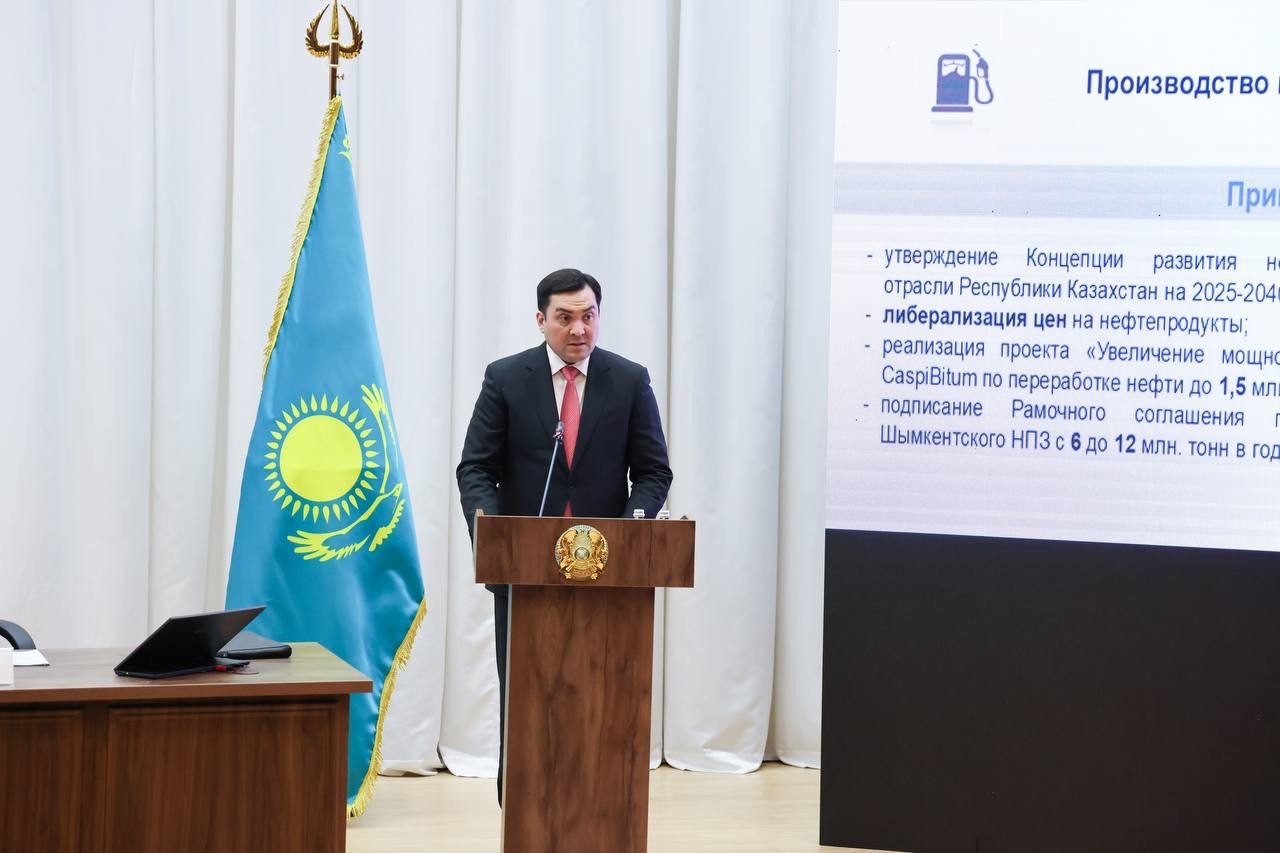
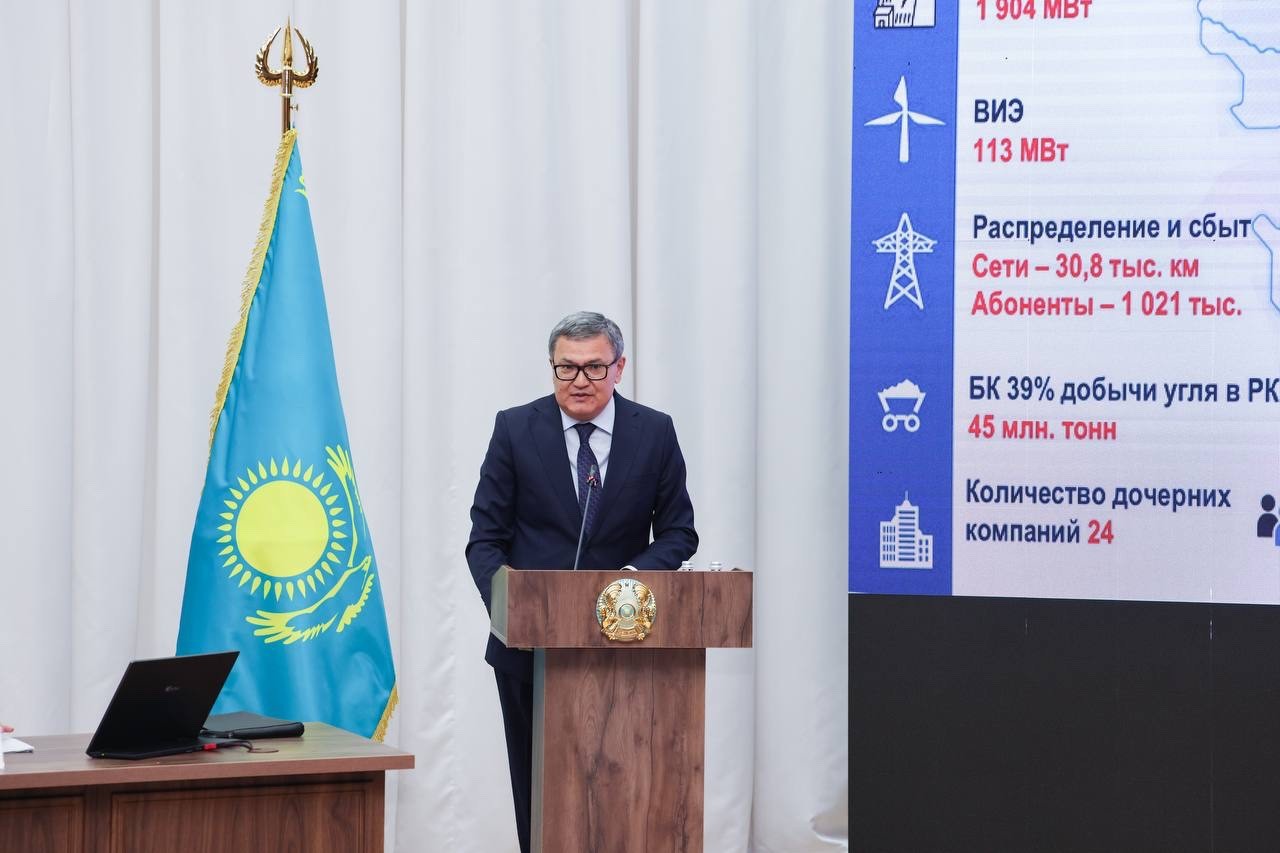
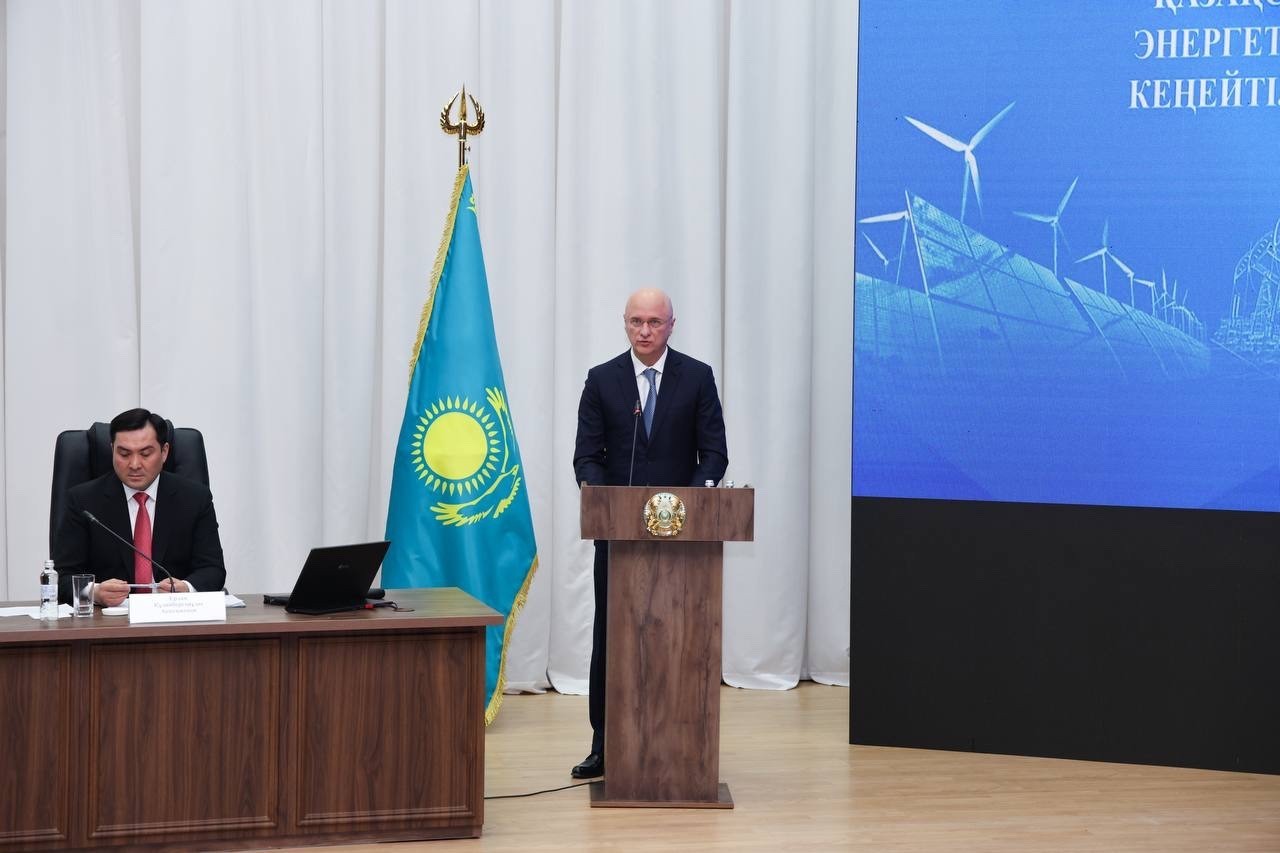
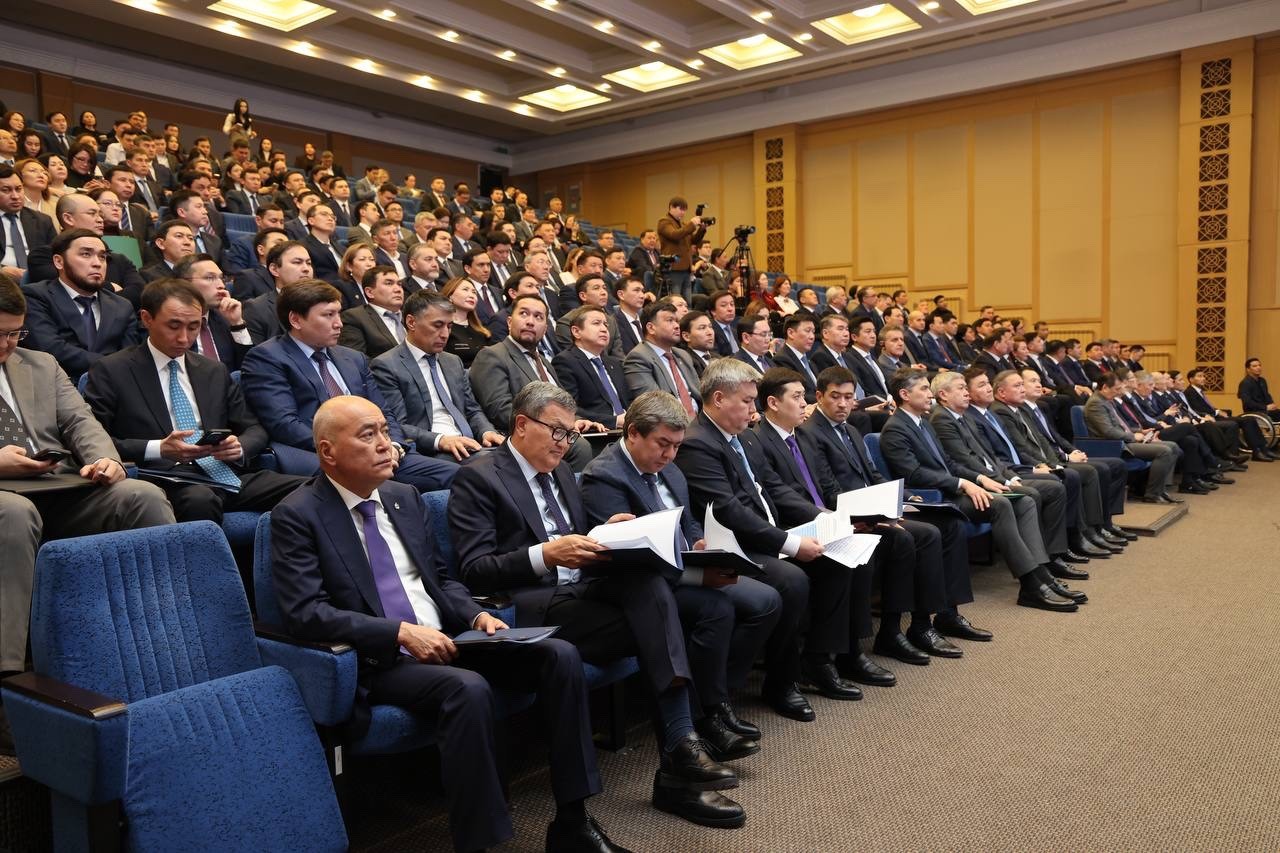
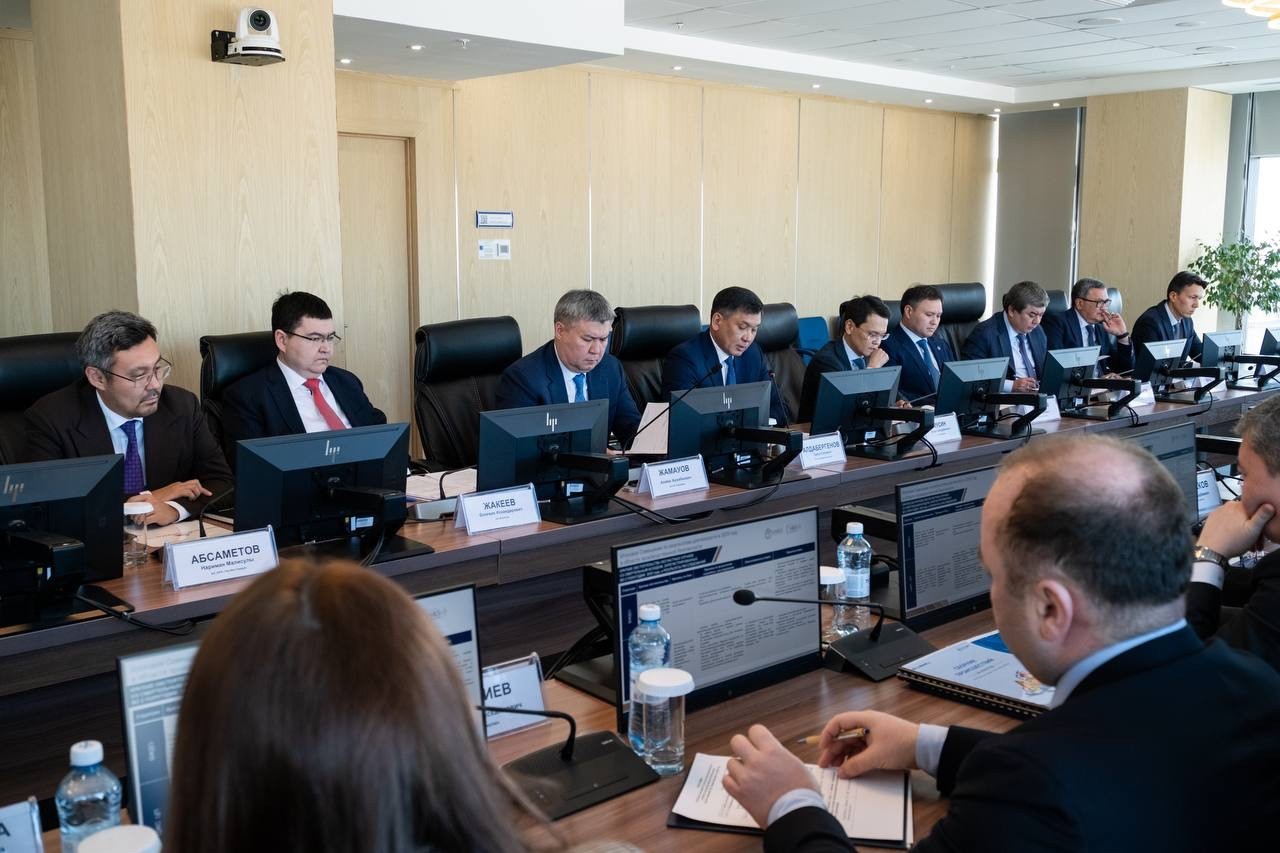
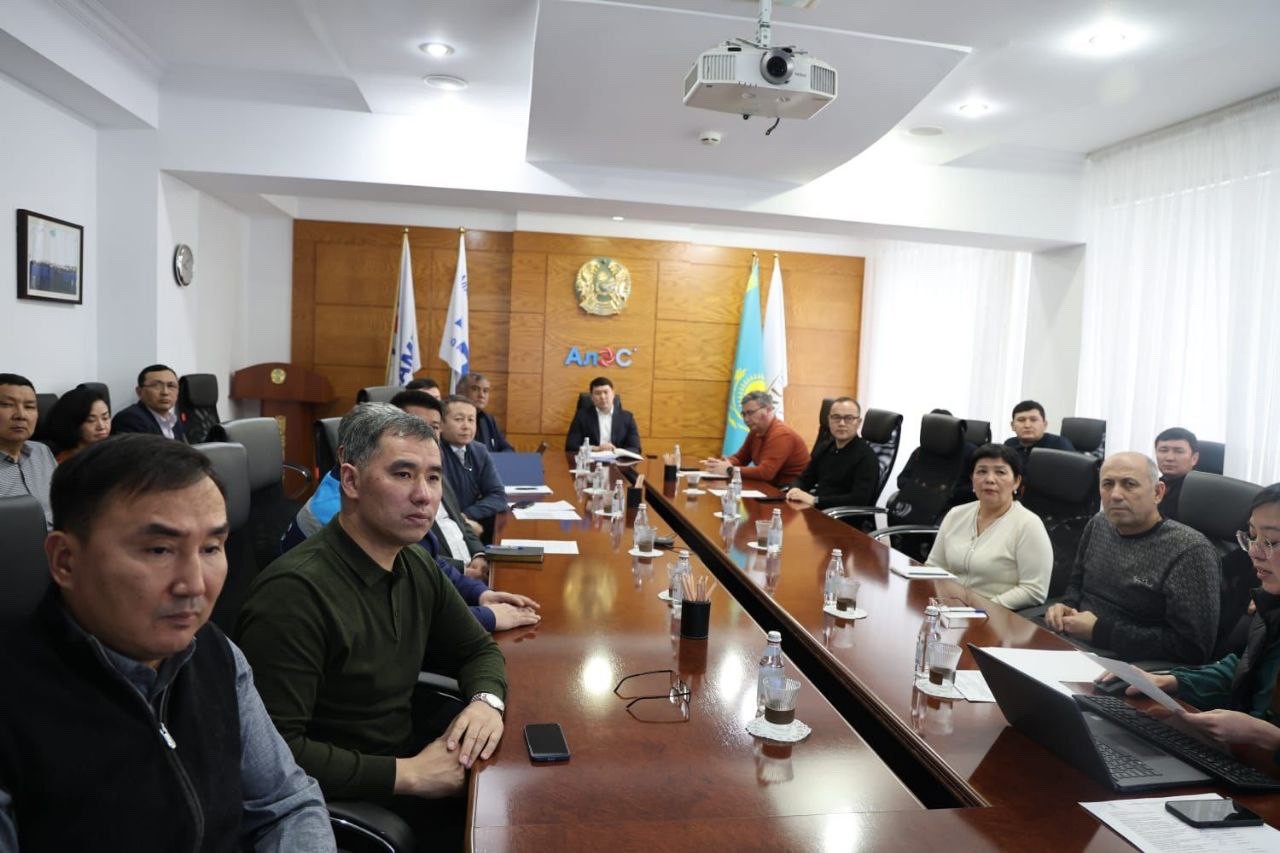
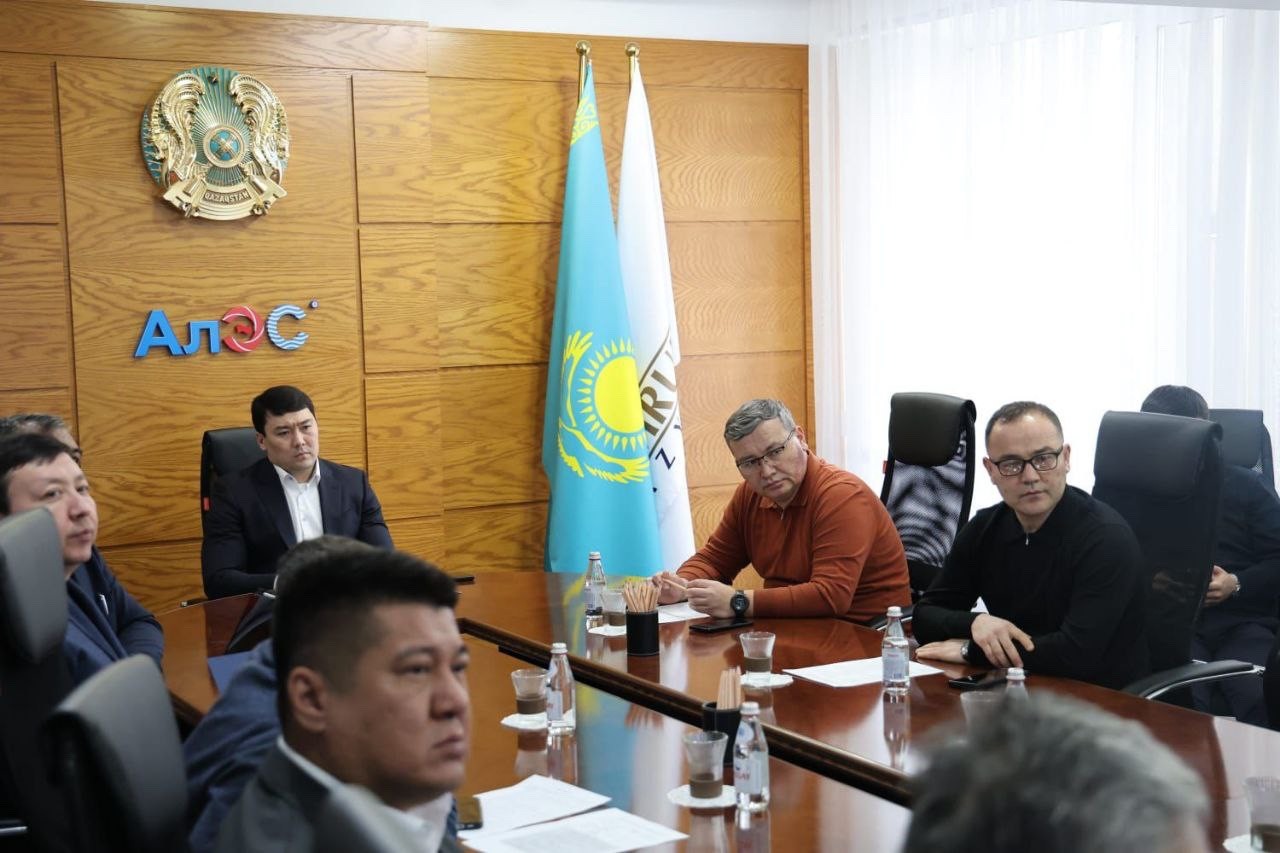
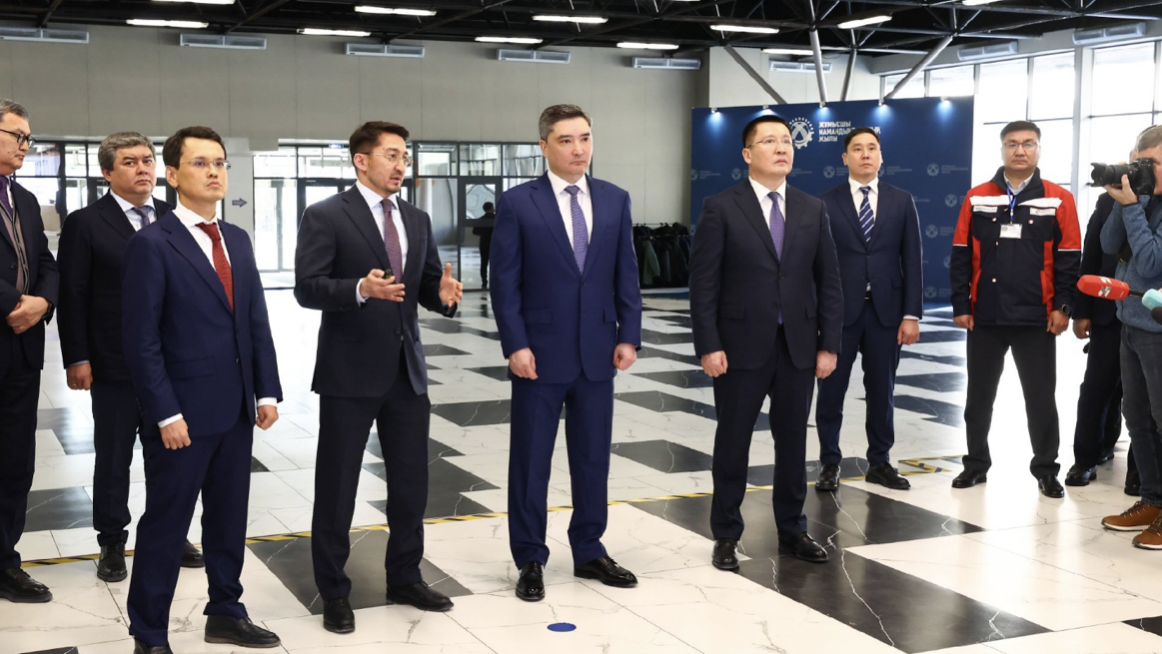
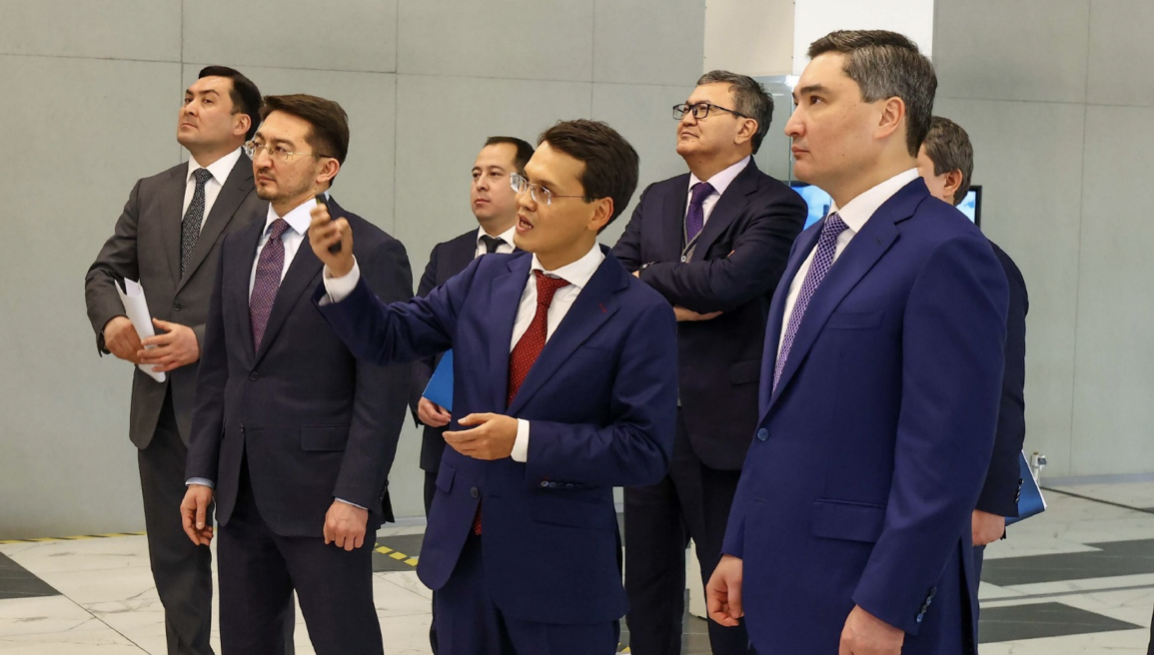
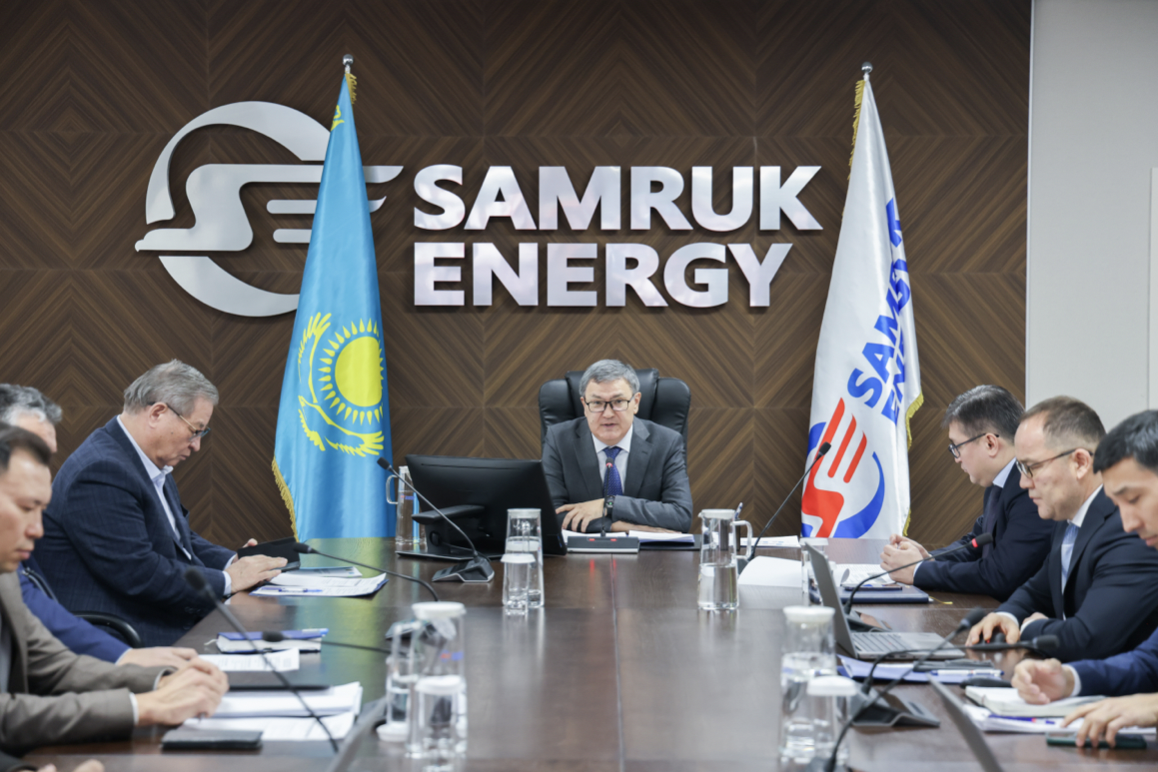
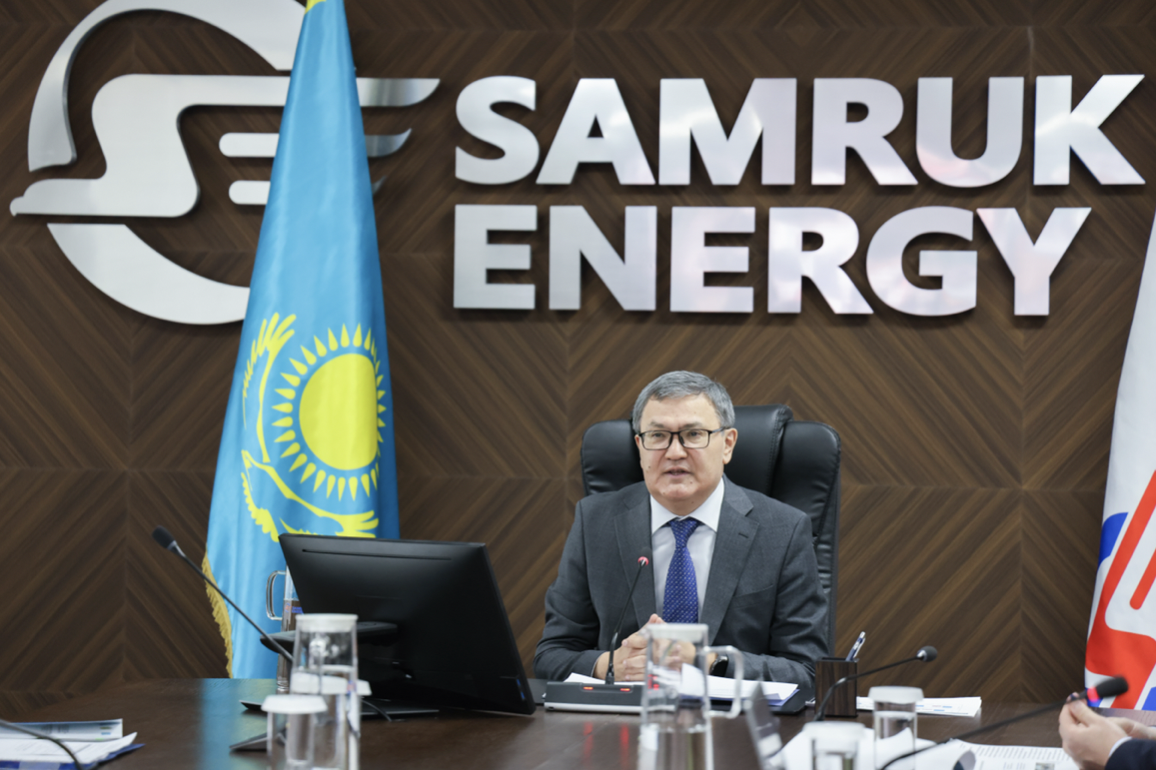
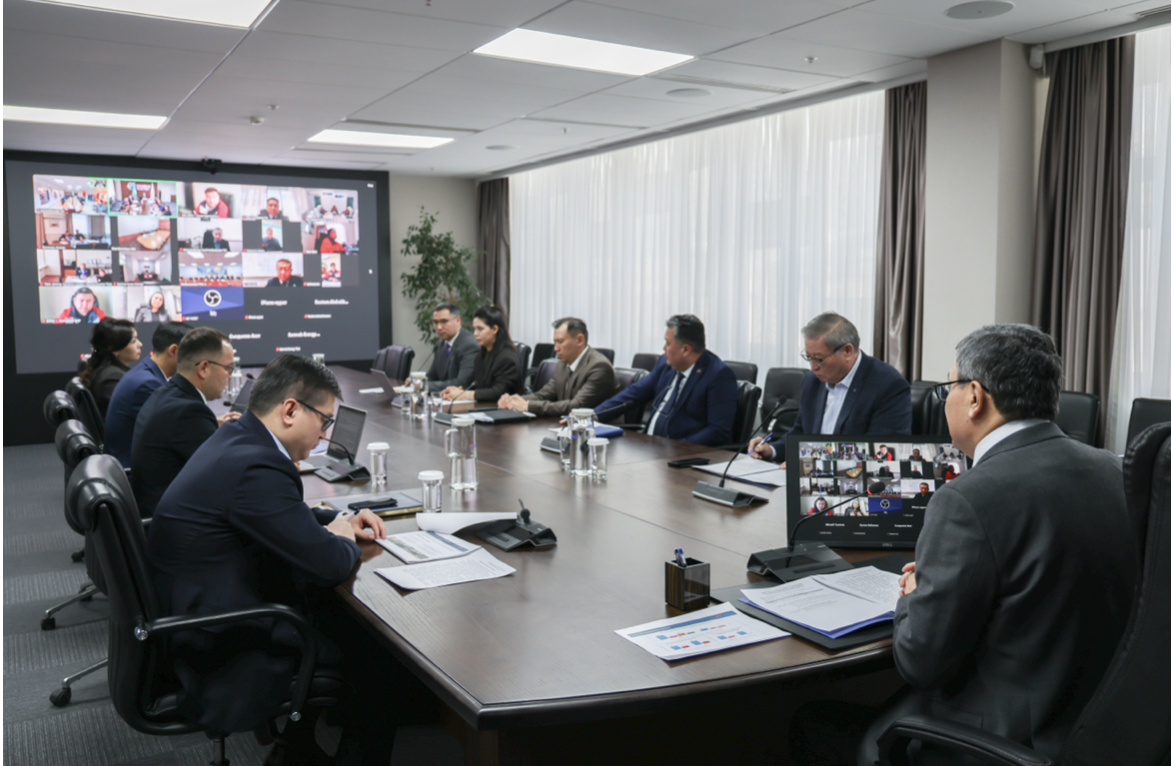
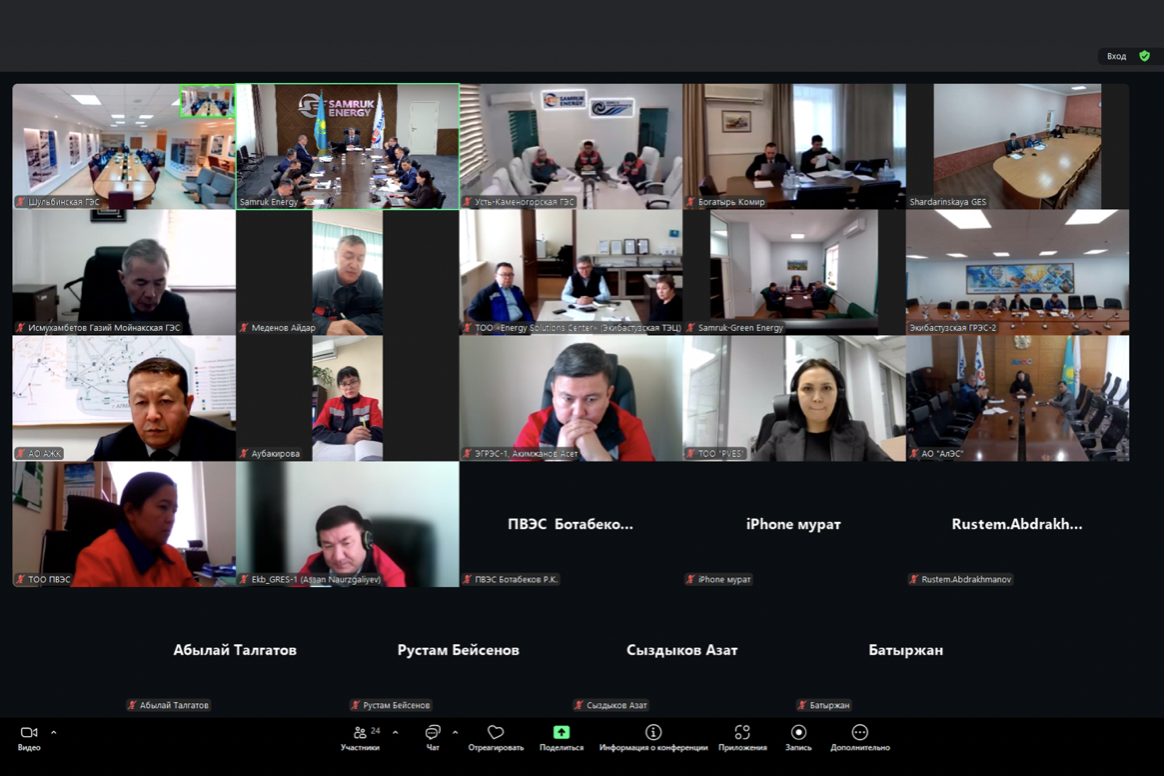
An expanded board meeting of the Ministry of Energy of the Republic of Kazakhstan was held under the chairmanship of Roman Sklyar, First Deputy Prime Minister of the Republic of Kazakhstan.
Kairat Maxutov, Chairman of the Management Board of Samruk-Energy, presented the Company’s 2025 production results and outlined plans for 2026.
The Company continues to hold a leading position in Kazakhstan’s electricity market, demonstrating steady growth across all business segments.
Through close cooperation with the Ministry of Energy to achieve fair and market-based tariff levels, revenues generated under the approved tariffs are reinvested in maintaining production capacity and ensuring operational readiness. As a result, a downward trend in equipment wear has been recorded, while the technical availability of power plants remains at a consistently high level.
Particular emphasis is placed on the digitalization of key production processes and the integration of artificial intelligence technologies. Notably, the Company has implemented a project to automate coal inventory management using drones and intelligent algorithms. Additional initiatives include AI-based predictive defect detection at power plants, AI-driven renewable energy generation forecasting, and other advanced technological solutions.
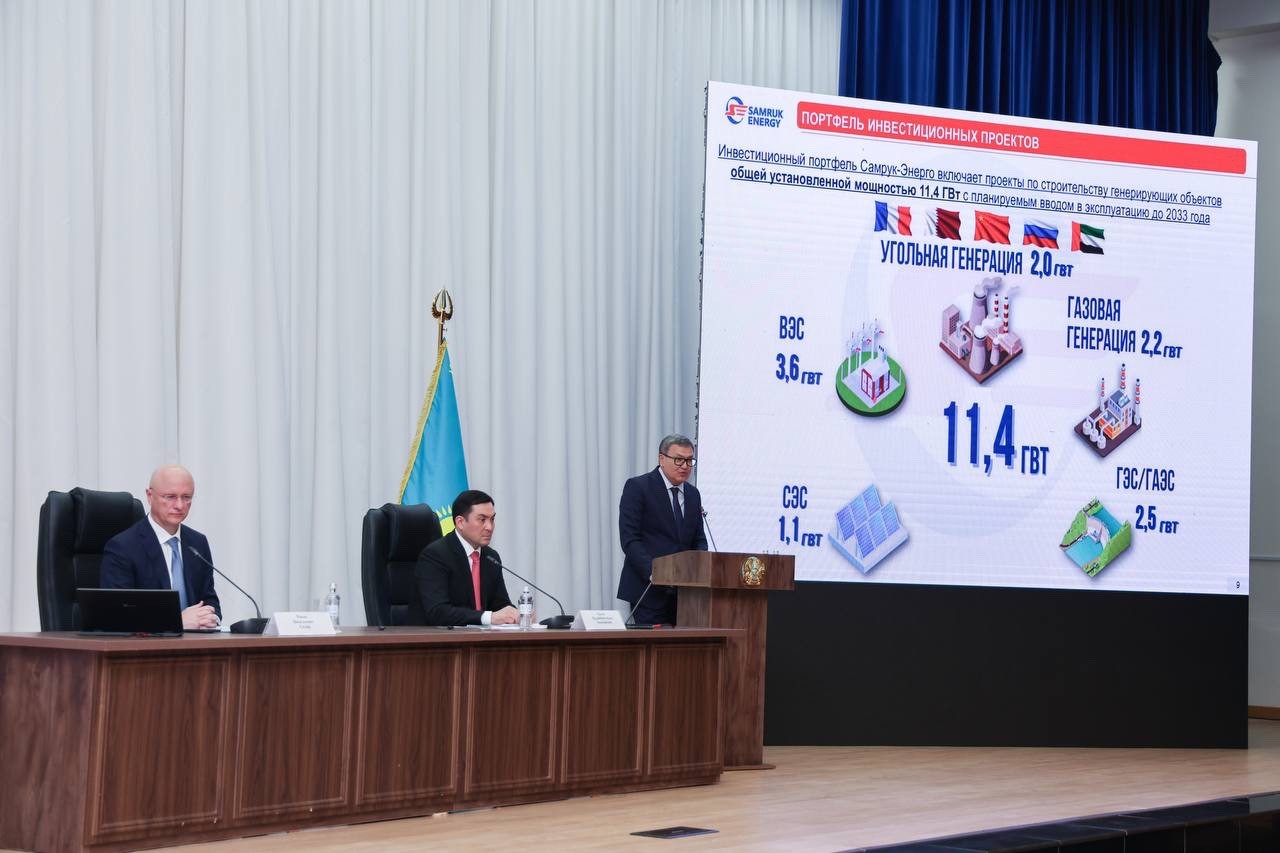
The investment portfolio of Samruk-Energy comprises 21 projects for the construction and modernization of generating facilities with a total installed capacity of 11.4 GW, scheduled for commissioning through 2033. A number of these projects are being implemented in partnership with international companies from France, Qatar, the People’s Republic of China, the Russian Federation, and the United Arab Emirates, ensuring access to advanced technologies and global best practices in the delivery of large-scale energy initiatives.
Overall, the comprehensive program for modernization and expansion of generating capacity is aimed at meeting growing electricity demand and enhancing the reliability of the country’s power supply.
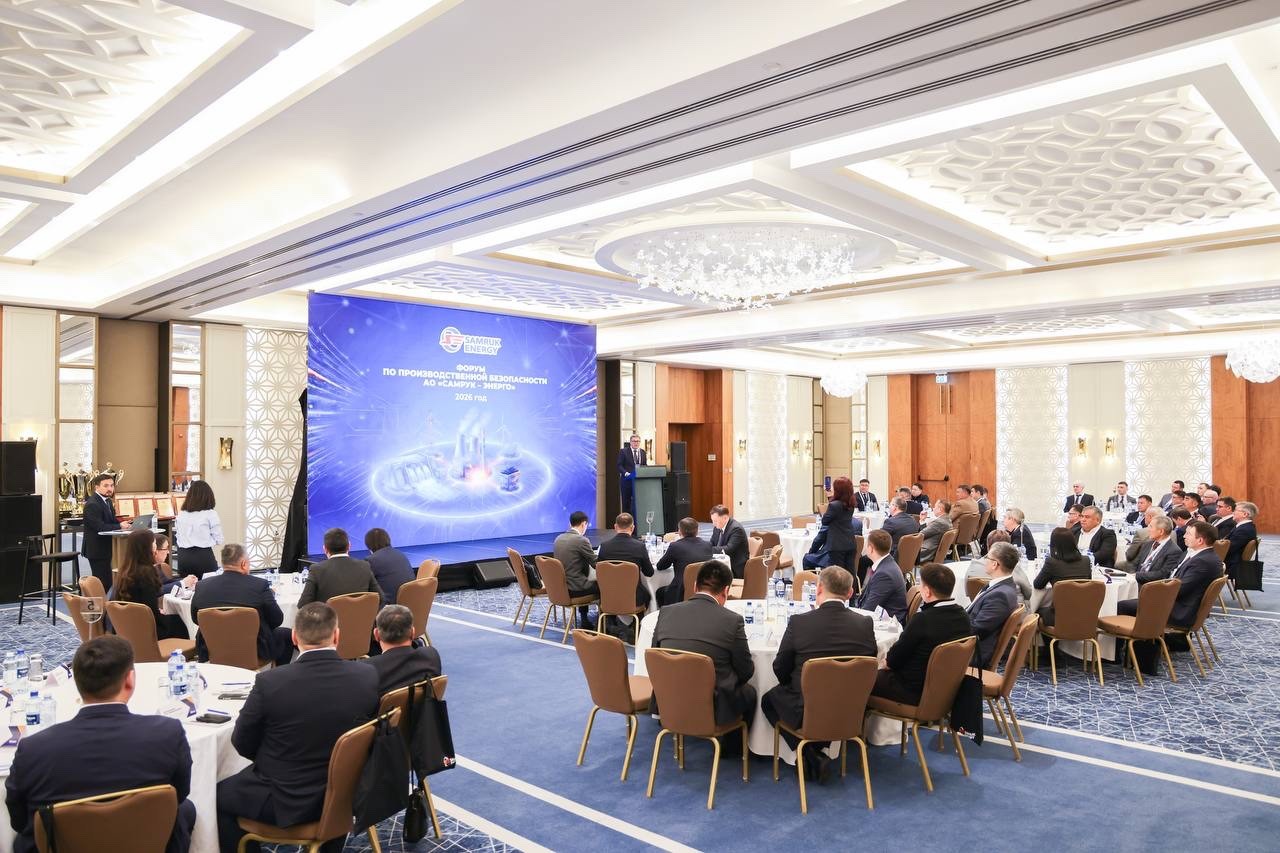
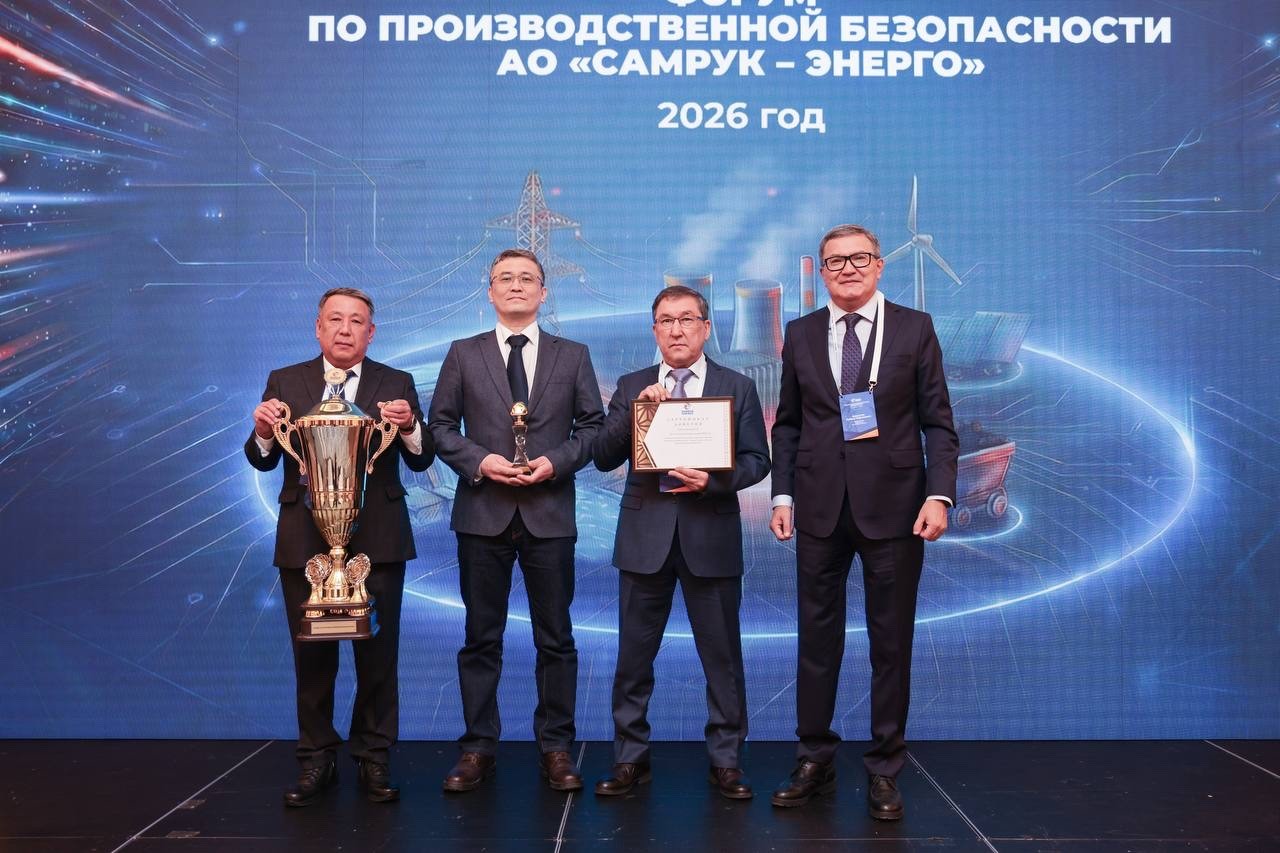
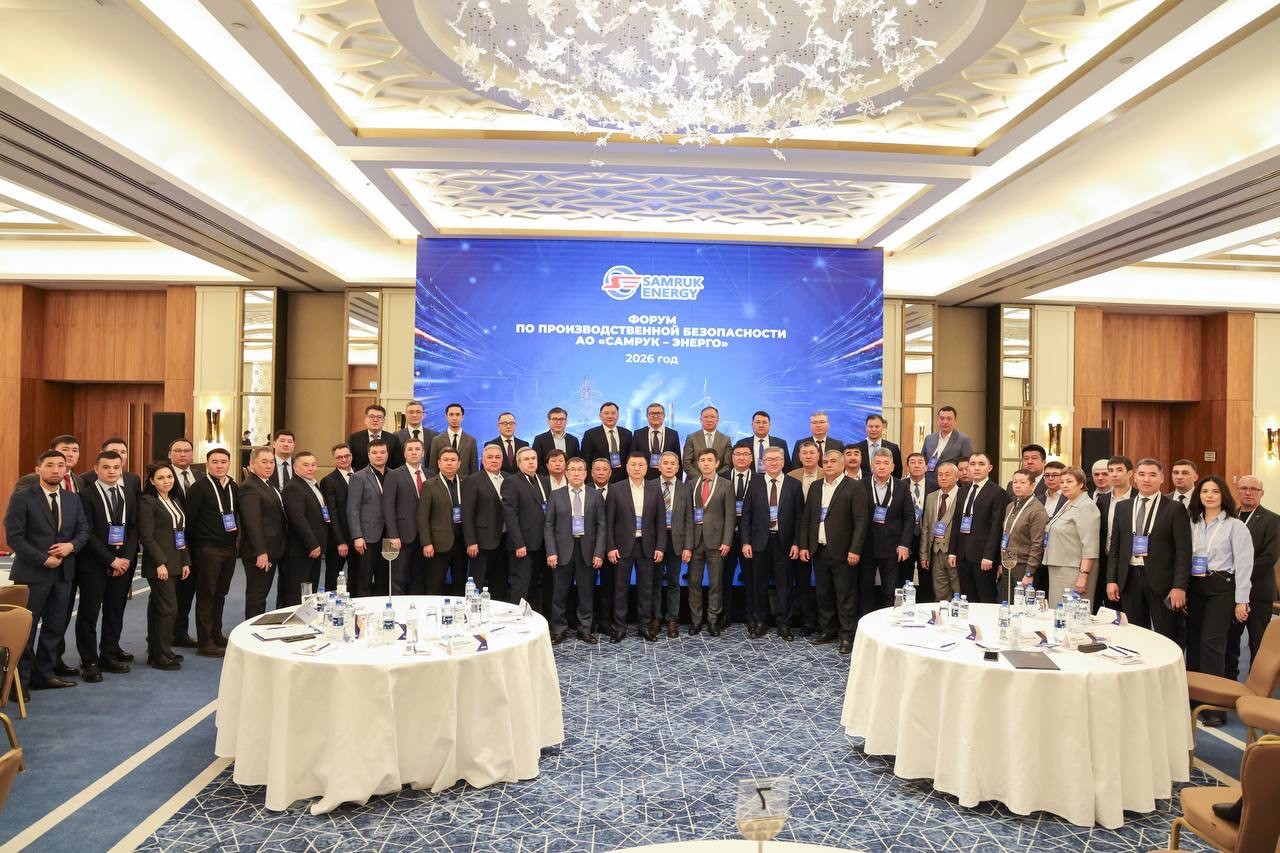
A corporate industrial safety forum titled “Safe way – the path to safety” was held at Samruk-Energy.
The forum brought together representatives of government authorities, Samruk-Kazyna, the Fund’s portfolio companies, as well as executives of subsidiary companies and occupational health and safety units of Samruk-Energy.
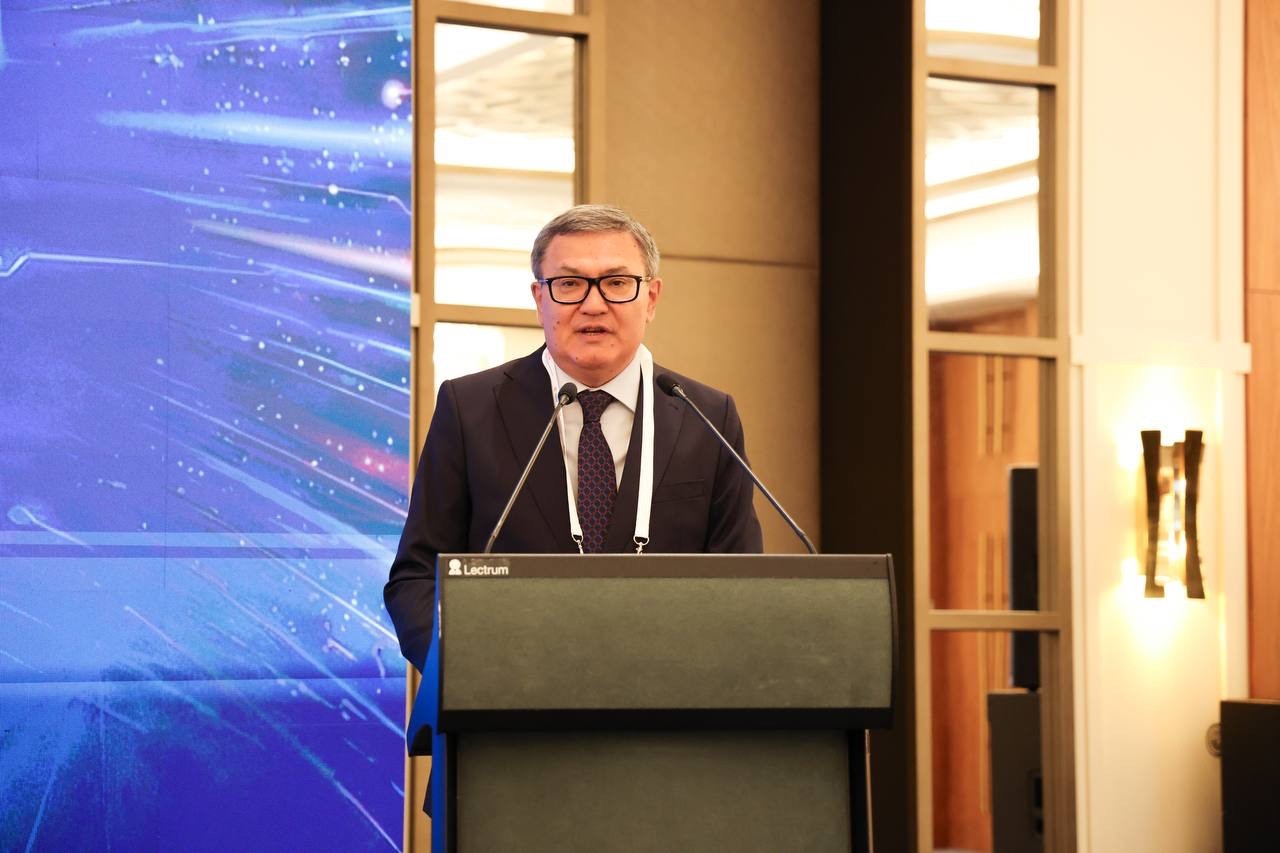
Opening the forum, Kairat Maxutov, Chairman of the Management Board of Samruk-Energy, emphasized that industrial safety is an unconditional strategic priority for the Company.
“Our goal is to shift from reactive measures to prevention. Leadership determines the level of safety culture. Personal example, integrity, high standards and zero tolerance for risk drive real change,” the head of Samruk-Energy stated, wishing participants productive and effective collaboration.
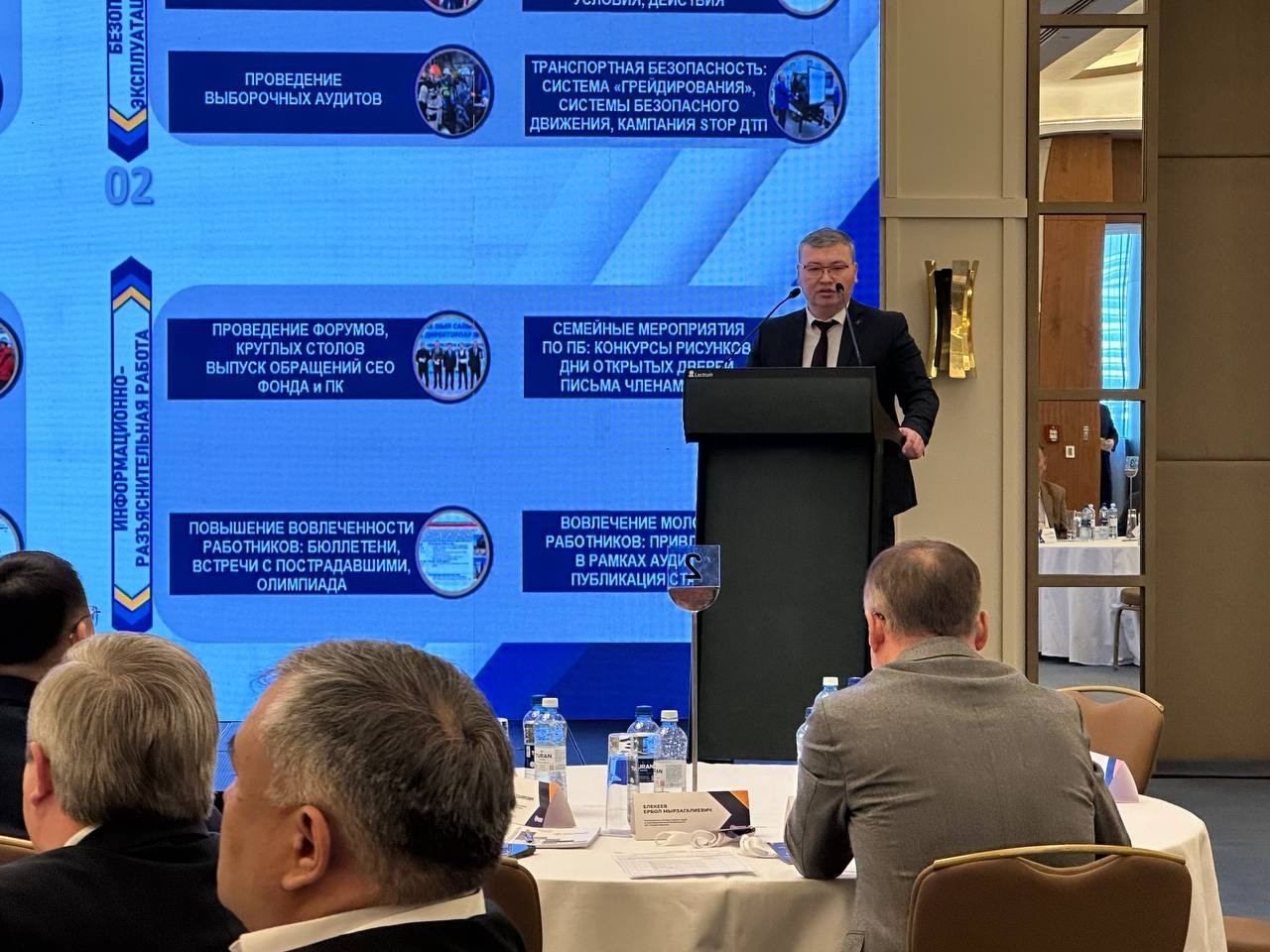
In his remarks, Yerbol Yelekeyev, Head of Occupational Health and Industrial Safety Sector at Samruk-Kazyna, highlighted the steady downward trend in workplace injuries across the Samruk-Energy group of companies. He specifically noted that the CEO of Samruk-Energy has been recognized as the most engaged chief executive in occupational safety matters among the Fund’s portfolio companies, setting a benchmark for responsible and proactive leadership.
During the event, the Company reviewed its 2025 industrial safety performance, discussed current risk management priorities, and outlined measures to enhance the effectiveness of preventive initiatives.
The forum also honored employees of subsidiary organizations who demonstrated outstanding results in occupational health and safety. Based on the corporate safety performance assessment, the leaders among subsidiaries were Ust-Kamenogorsk Hydroelectric Power Plant and Ekibastuz SDPP-2.
Samruk-Energy consistently implements its occupational health and industrial safety policy, with the protection of employees’ life and health as its highest priority.
In Astana, the management of Samruk-Kazyna JSC and the heads of its portfolio companies reviewed the results in occupational safety.
According to the Chairman of the Fund’s Management Board, Nurlan Zhakupov, workplace injuries decreased by 28% in 2025. This achievement was made possible through systematic efforts and strengthened production control.
The Fund will continue developing a risk-oriented approach and implementing modern safety management tools.
Managing Director Gibrat Auganov outlined the plans for 2026–2028 within the framework of the Occupational Safety Development Strategy.
At the year-end review, NC QazaqGaz JSC was recognized among the best performers, and the award for personal engagement was presented to Kairat Maxutov, Chairman of the Board of Samruk-Energy JSC.
The Fund emphasized that employee safety remains an unconditional priority.
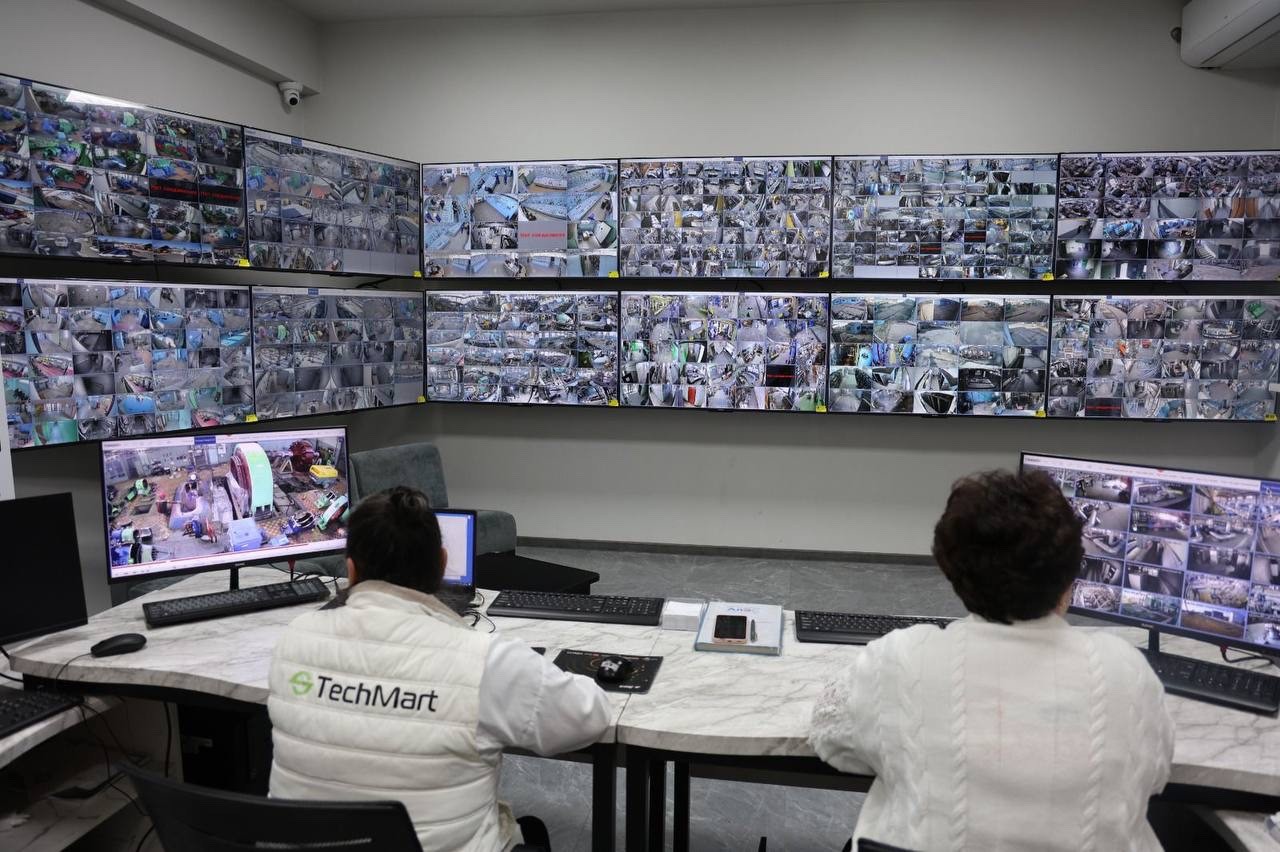
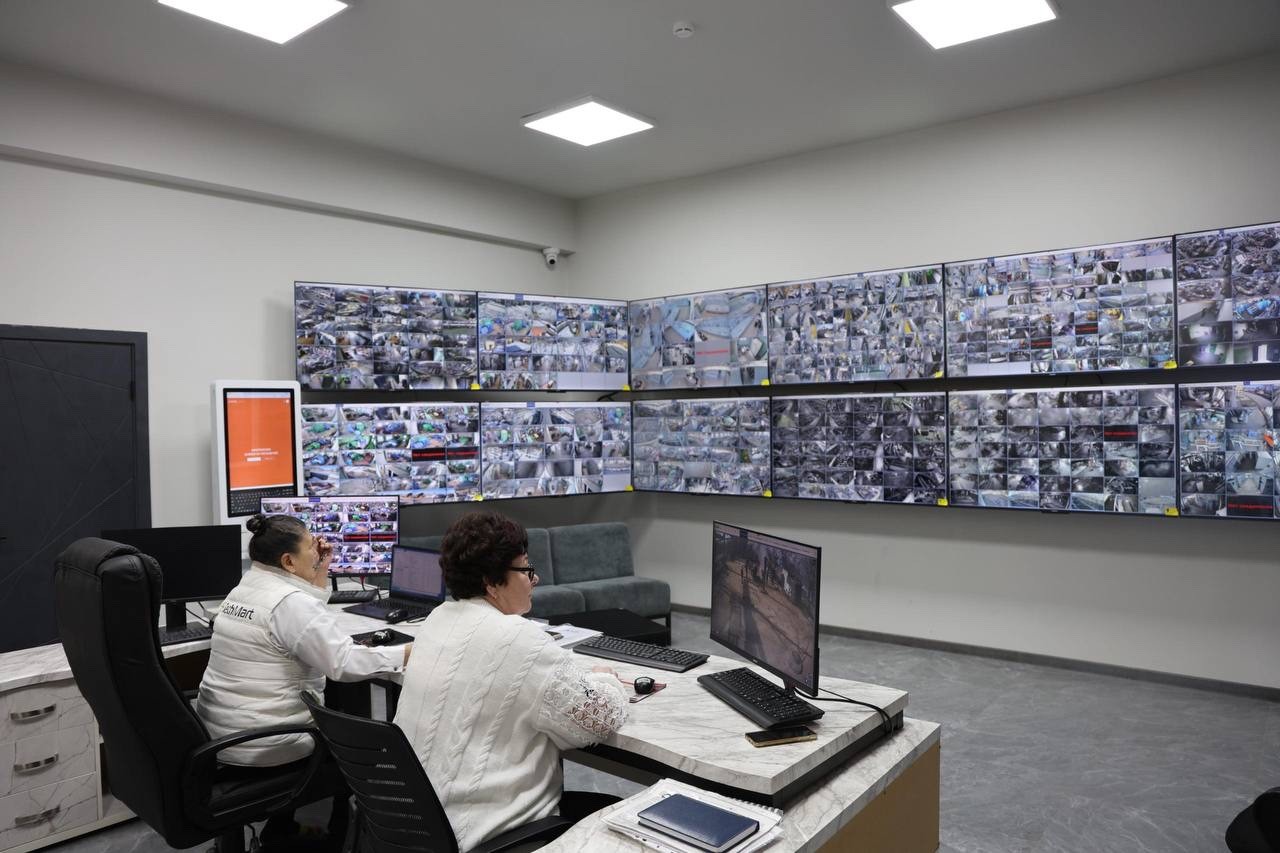
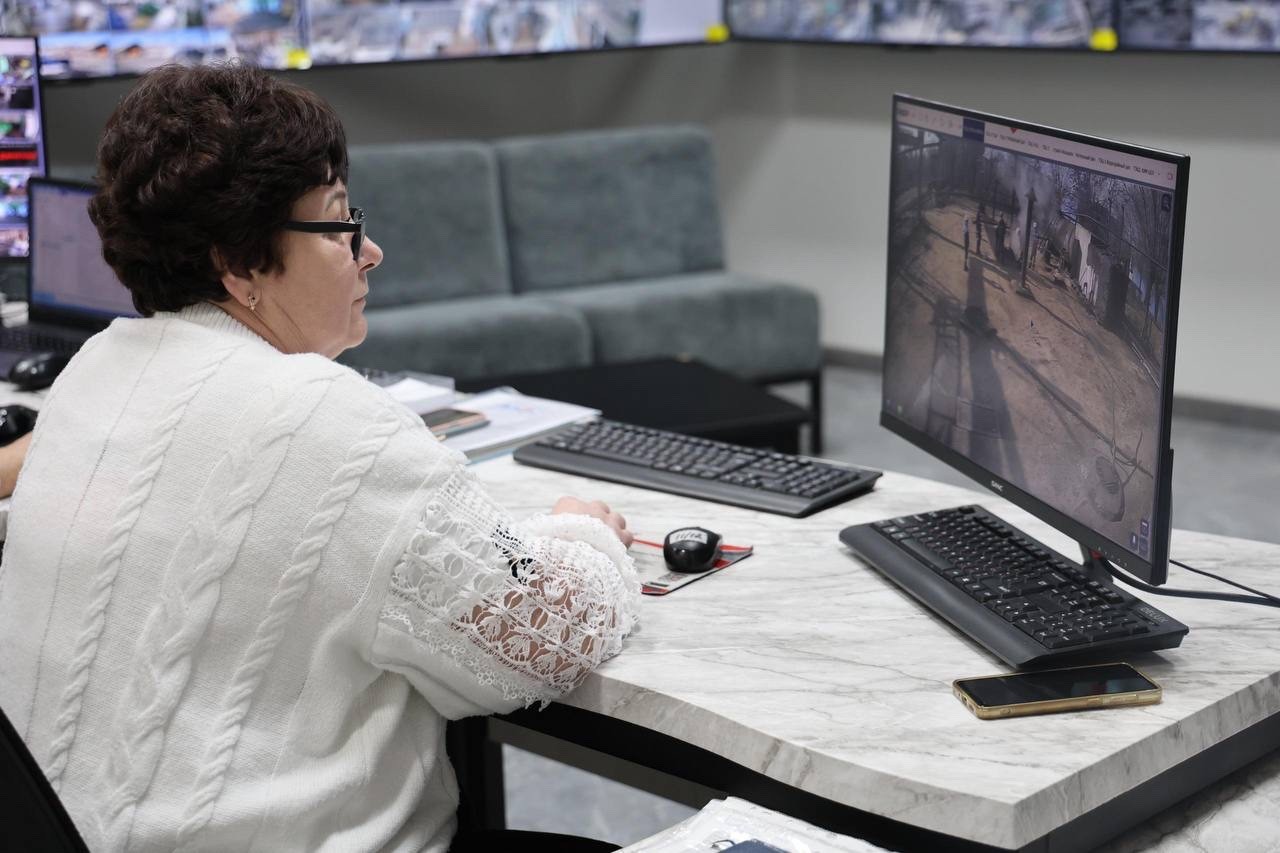
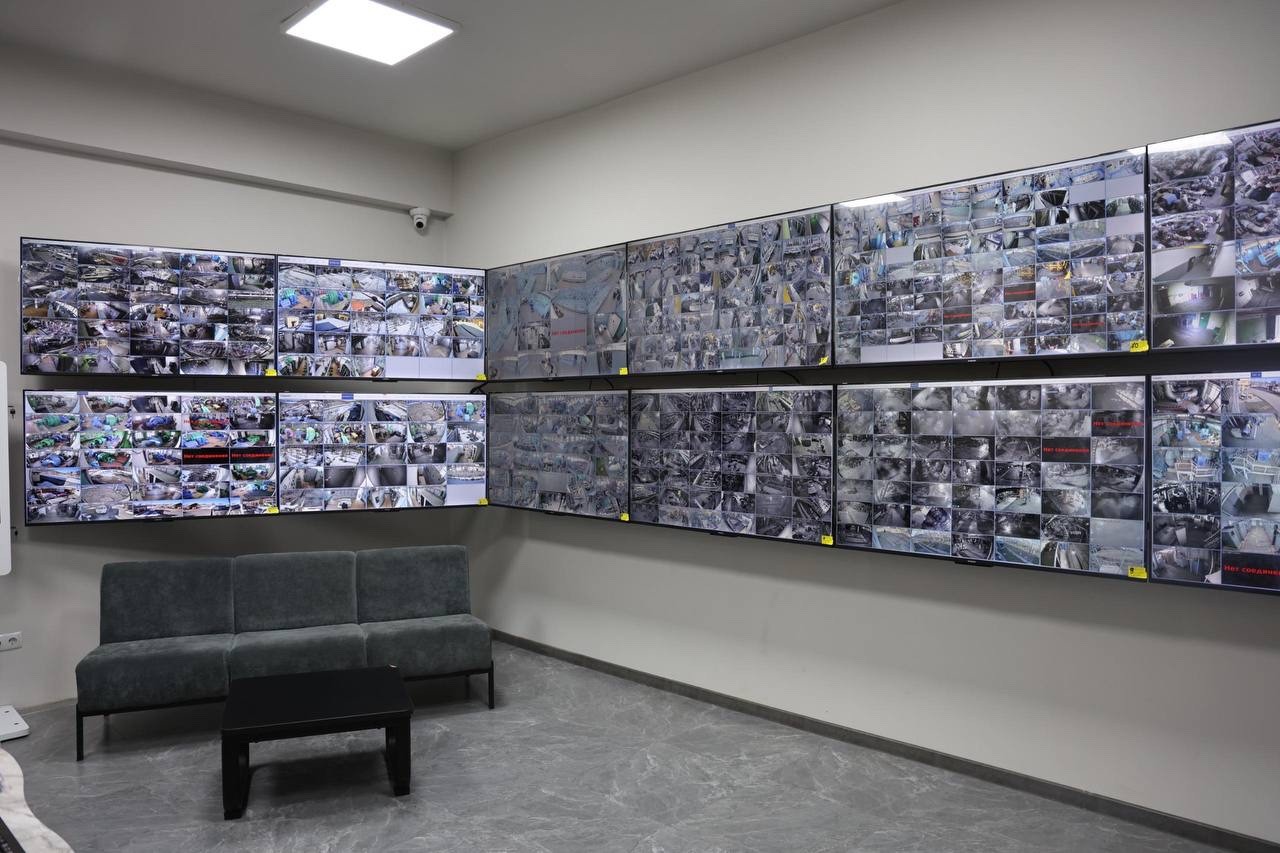
Since June 2025, Almaty Power Plants JSC (APP) has implemented an intelligent industrial safety video surveillance system powered by artificial intelligence (AI). During the operational period, the number of identified violations decreased from 1,765 to 529 cases — a 69% reduction.
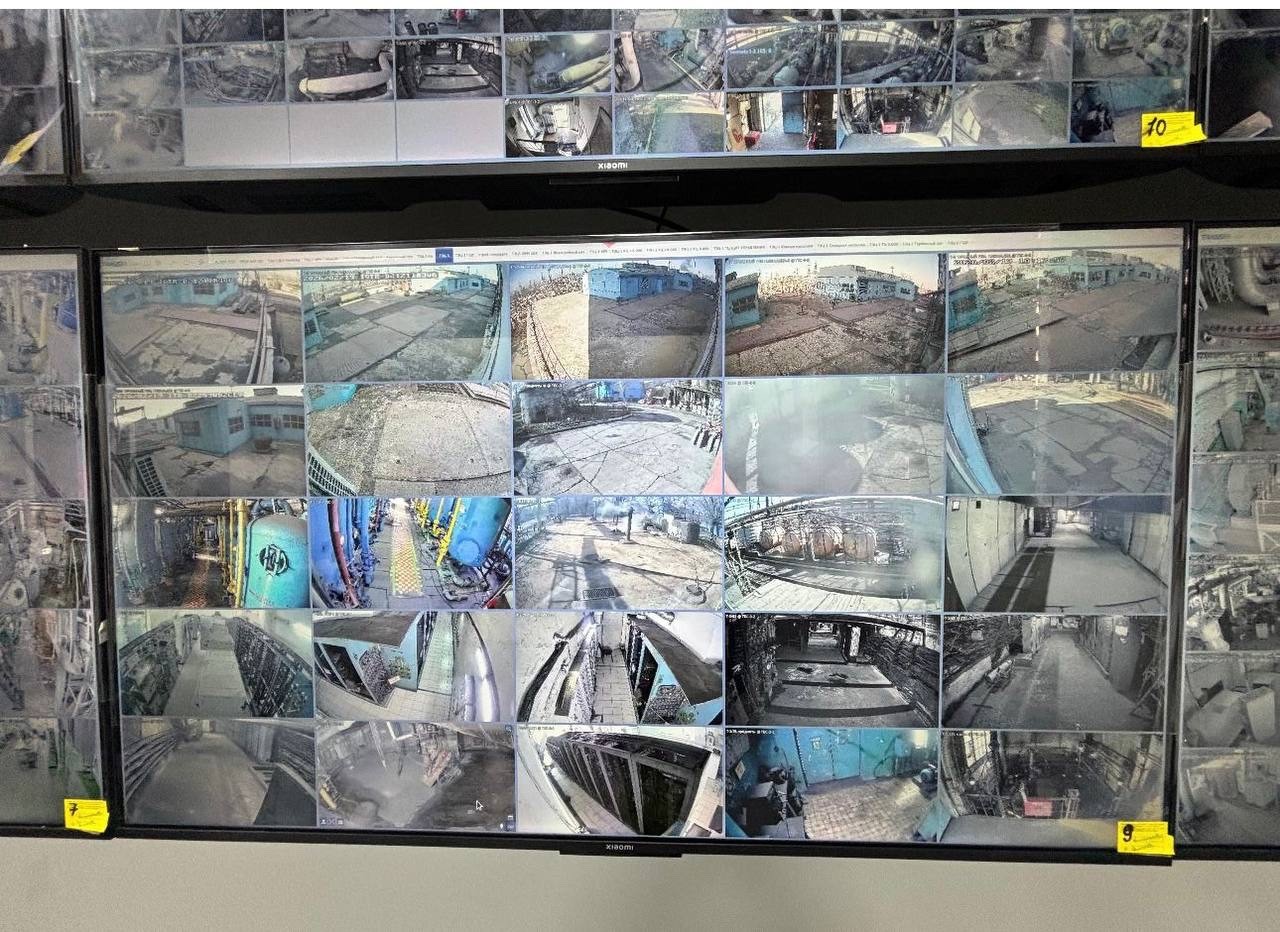
The system operates across all company facilities, including the head office and all eight production sites in Almaty and the Almaty region. More than 1,700 cameras equipped with video analytics capabilities have been installed.
Operating 24/7, the AI system automatically detects:
facial recognition;
absence of safety helmets;
personnel presence in hazardous areas;
unattended objects.
The system ensures continuous monitoring of compliance with industrial safety requirements, generates a unified digital incident log with video recording, and enables prompt risk response. The project has become a proactive tool for reducing workplace injuries, improving discipline, and minimizing human factor risks.
Further digitalization and the development of AI-driven projects within Samruk-Energy Group are aimed at achieving zero injuries and enhancing the operational efficiency of energy facilities.
Digitalization and automation of key production processes are among the strategic priorities of Samruk-Energy JSC and are aimed at enhancing the efficiency, reliability, and environmental sustainability of its power plants.
Within the Group, a number of significant digital initiatives have been implemented:
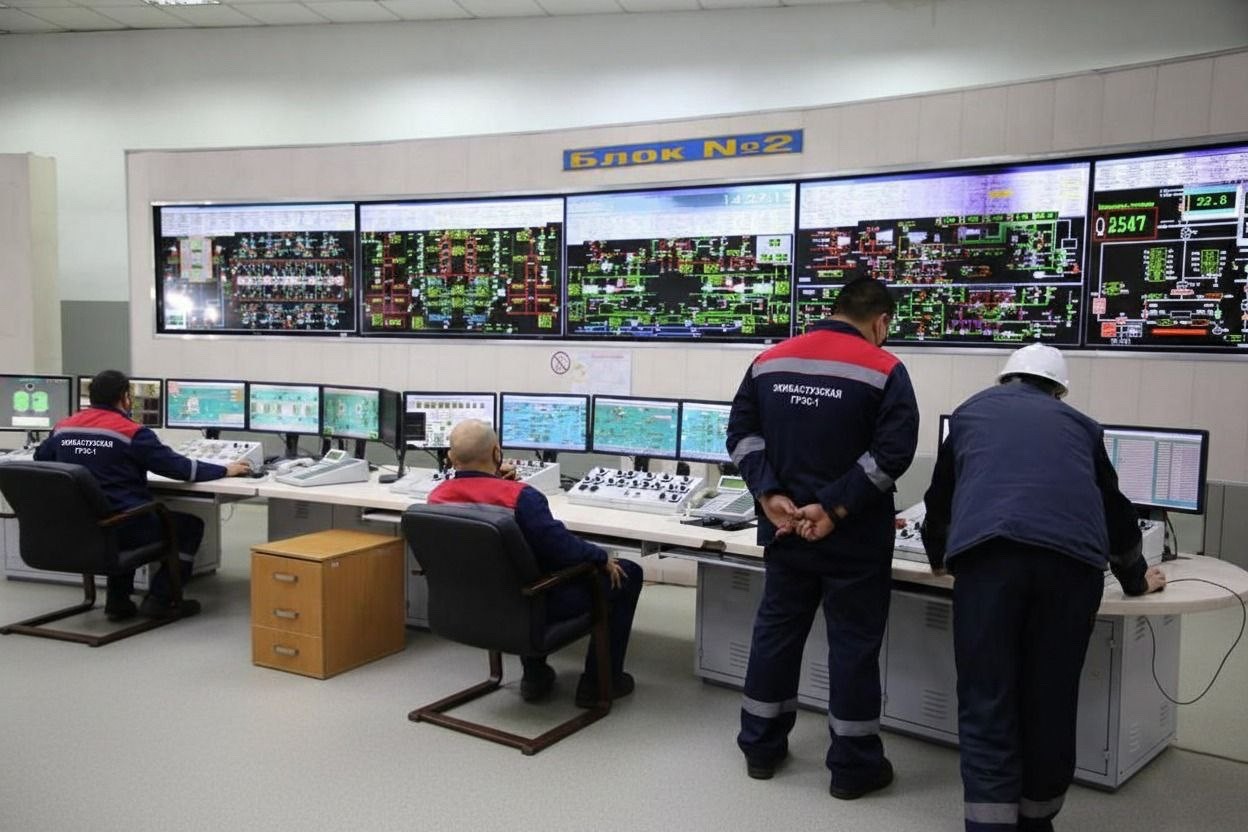
Process Control Systems (APCS) at power plants — automated real-time collection and processing of technological data, optimization of boiler, turbine, and generator operations.
Digitalization of grid infrastructure (AMR and SCADA systems) — automated commercial electricity metering at all grid levels, loss reduction, real-time monitoring of substations and transmission lines, capacity management, and operational control.
Automated Emissions Monitoring Systems (AEMS) — automated data collection and online transmission to the Ministry of Ecology and Natural Resources of the Republic of Kazakhstan, continuous monitoring, and timely response.
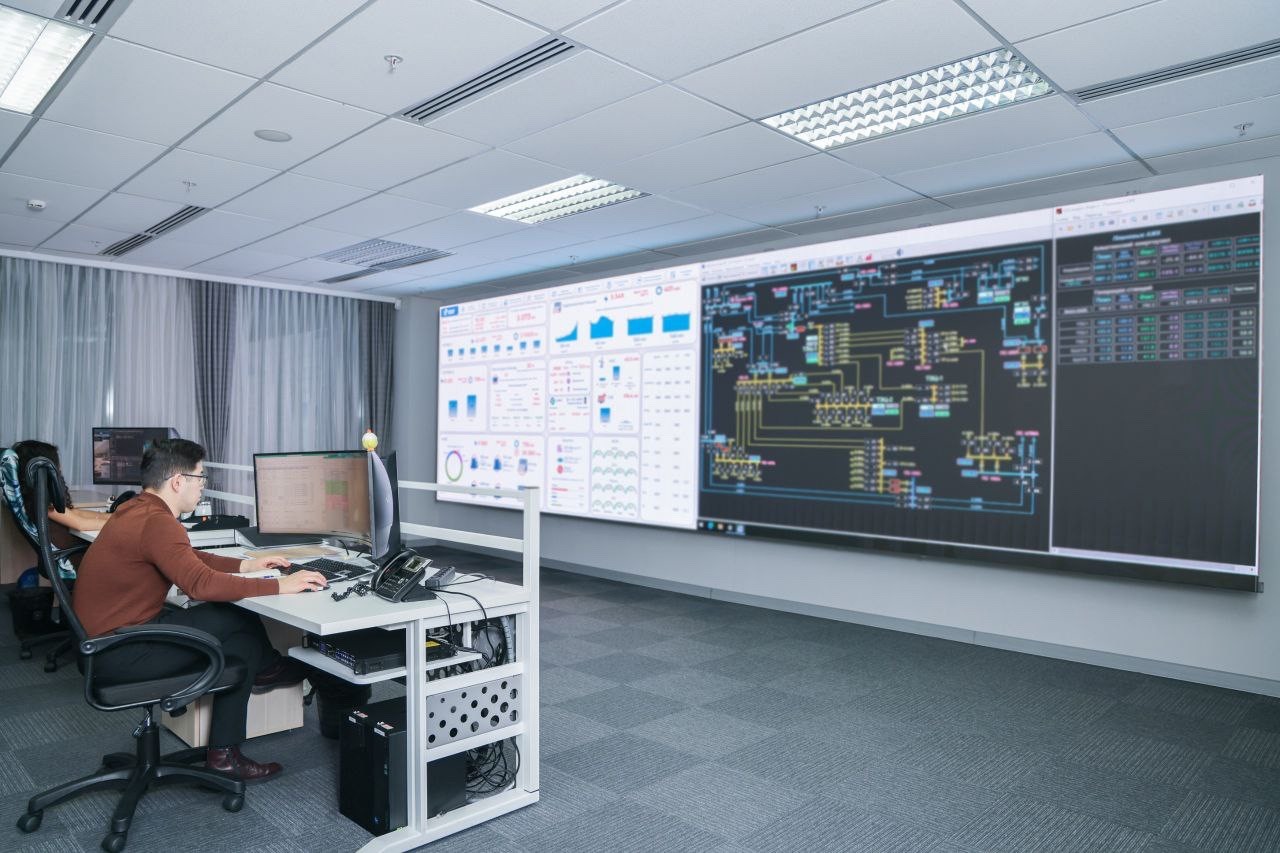
Information Monitoring Center — a unified platform for real-time collection and analysis of production data from all Group companies. The Center enables online supervision and timely managerial decision-making.
Samruk-Energy JSC continues to enhance operational efficiency and ensure sustainable development through the implementation of advanced technological solutions.
Samruk-Kazyna JSC, together with its portfolio companies, conducted a comprehensive industrial safety audit at Alatau Zharyk Company JSC and Almaty Power Plants JSC (APP). The audit took place from February 9 to 13 of this year.
The purpose of the audit was to conduct a thorough assessment of the existing industrial safety management systems, compliance with occupational health and safety requirements, and the effectiveness of production risk management practices. Particular attention was paid to the implementation of digital solutions, including the development of video analytics systems utilizing artificial intelligence technologies.
Following the audit, a meeting was held with the participation of the top executives of the subsidiaries and affiliates of Samruk-Energy JSC. The meeting was chaired by Erbol Yelekeev, Head of the Occupational Safety Sector at Samruk-Kazyna JSC. Duysenbek Shardarbekov, Director of the Occupational Safety Department, attended on the part of Samruk-Energy JSC.
During the visit, Erbol Yelekeev also familiarized himself with the operation of the video analytics system implemented at APP JSC, including the practical use of AI-based tools for monitoring compliance with occupational health and safety requirements and for the prompt identification of potentially hazardous situations.
At the meeting, the audit findings were reviewed in detail, directions for further improvement were identified, and a set of corrective measures was defined. Special emphasis was placed on strengthening safety culture, developing preventive measures, and increasing personal accountability of managers at all levels for ensuring safe working conditions.
Based on the results of 2025, Ekibastuz SDPP-1 reached a historic maximum in electricity generation, producing 24.5 billion kWh, which accounts for 20% of the country’s total electricity production.
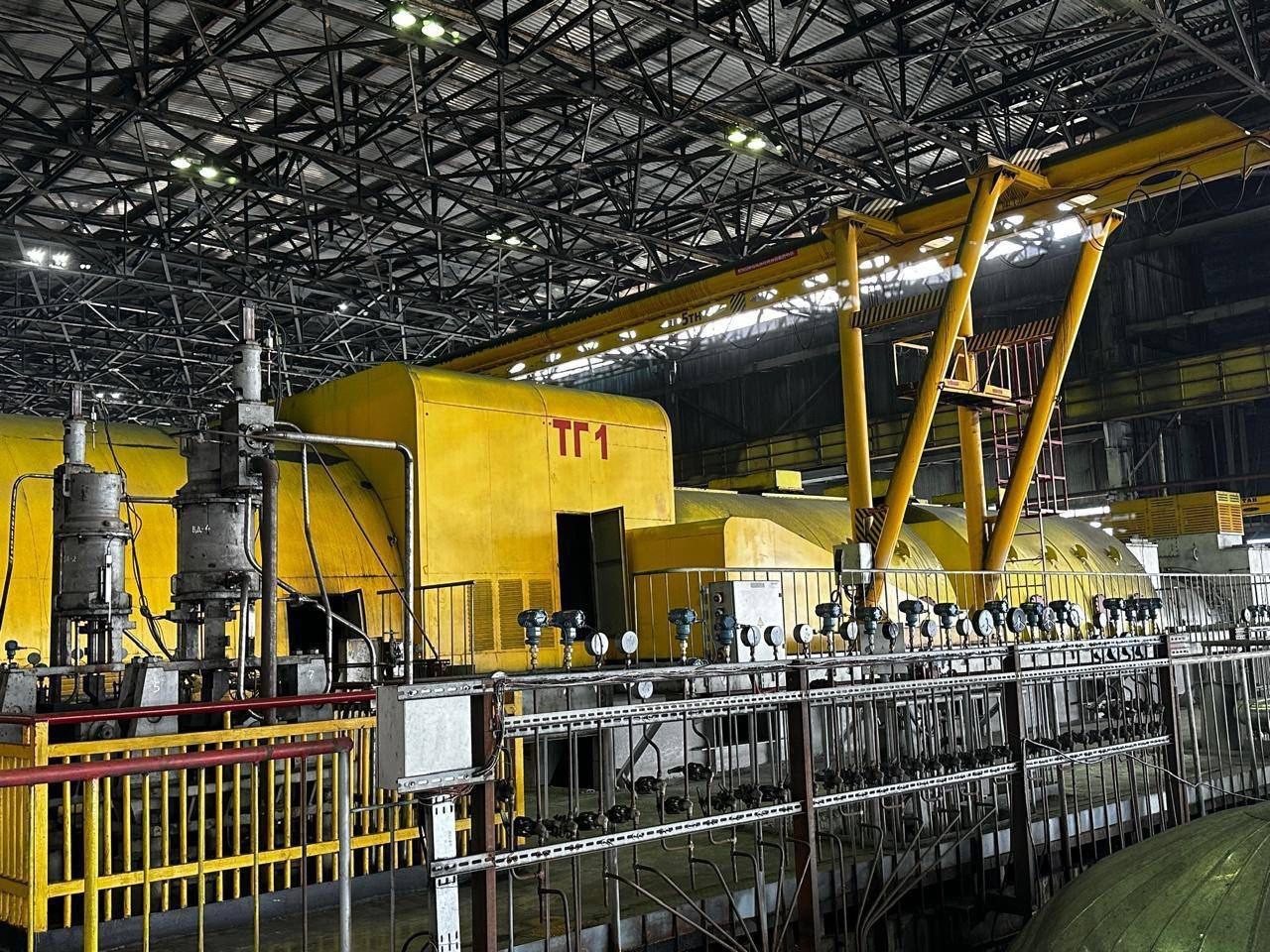
This record output was made possible by the successful implementation of the Unit 1 restoration project. For the first time in 30 years, the power plant is operating at its full installed capacity of 4,040 MW in an eight-unit configuration.
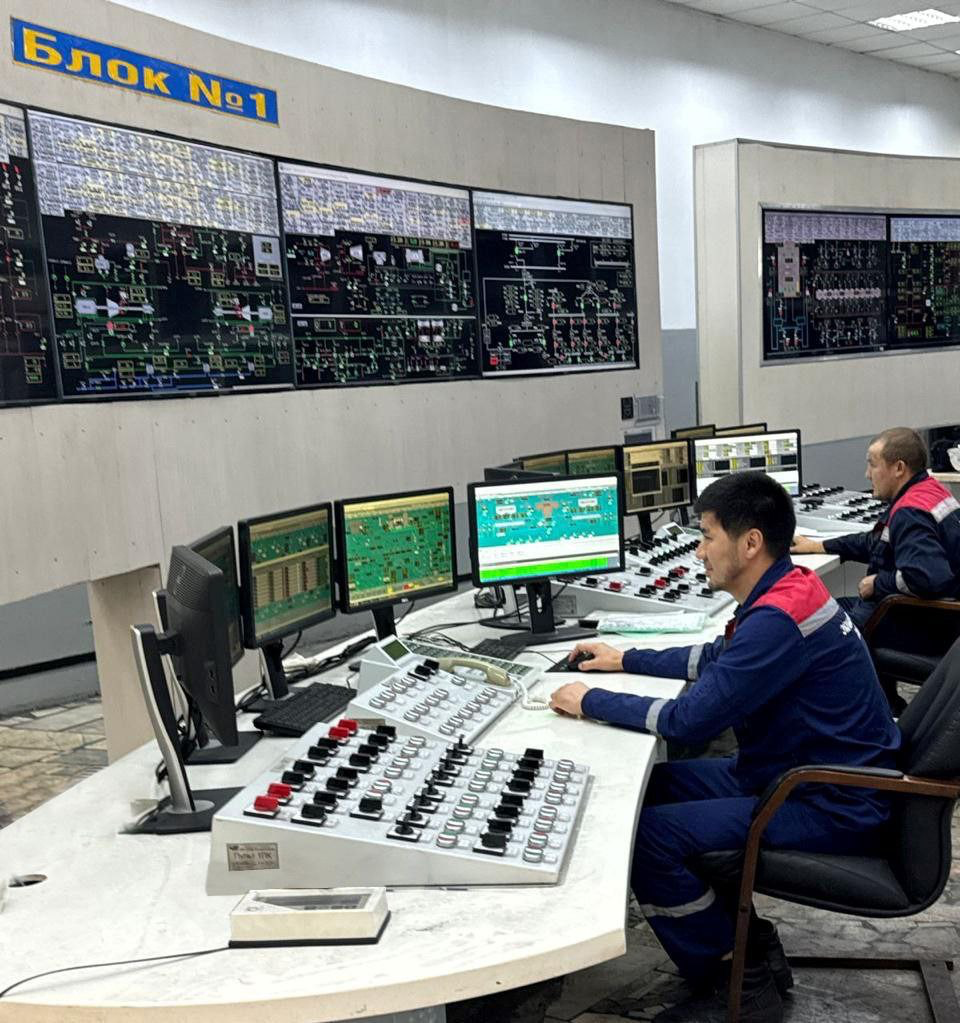
The commissioning of Unit 1, with a capacity of 540 MW and equipped with a modern automated process control system and enhanced technical characteristics, ensures stable and reliable electricity supply to households and industrial enterprises.
The project has also delivered several positive outcomes: • creation of more than 50 additional jobs for plant operating personnel; • meeting domestic electricity demand; • increased industrial production.
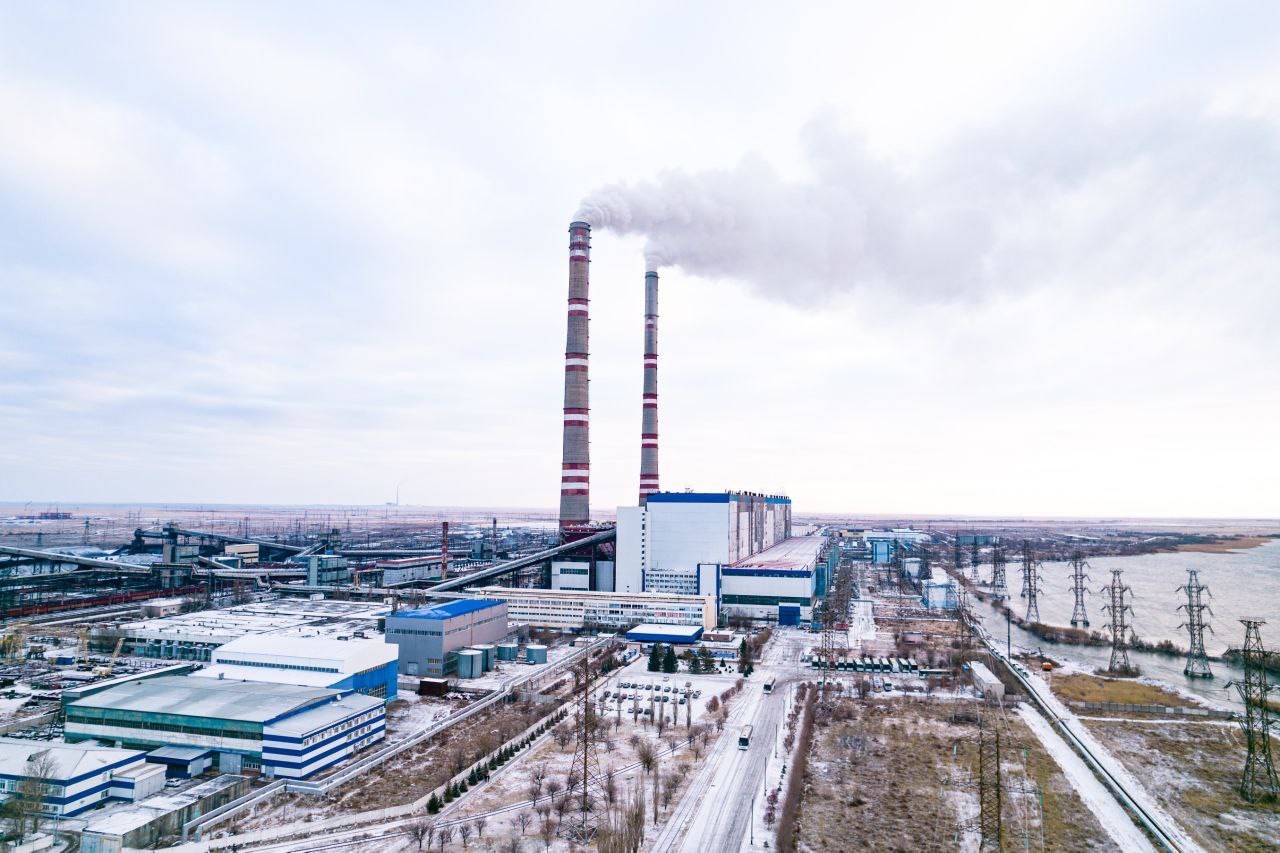
Ekibastuz SDPP-1 is a flagship of Kazakhstan’s power sector and one of the largest coal-fired power plants in the world.
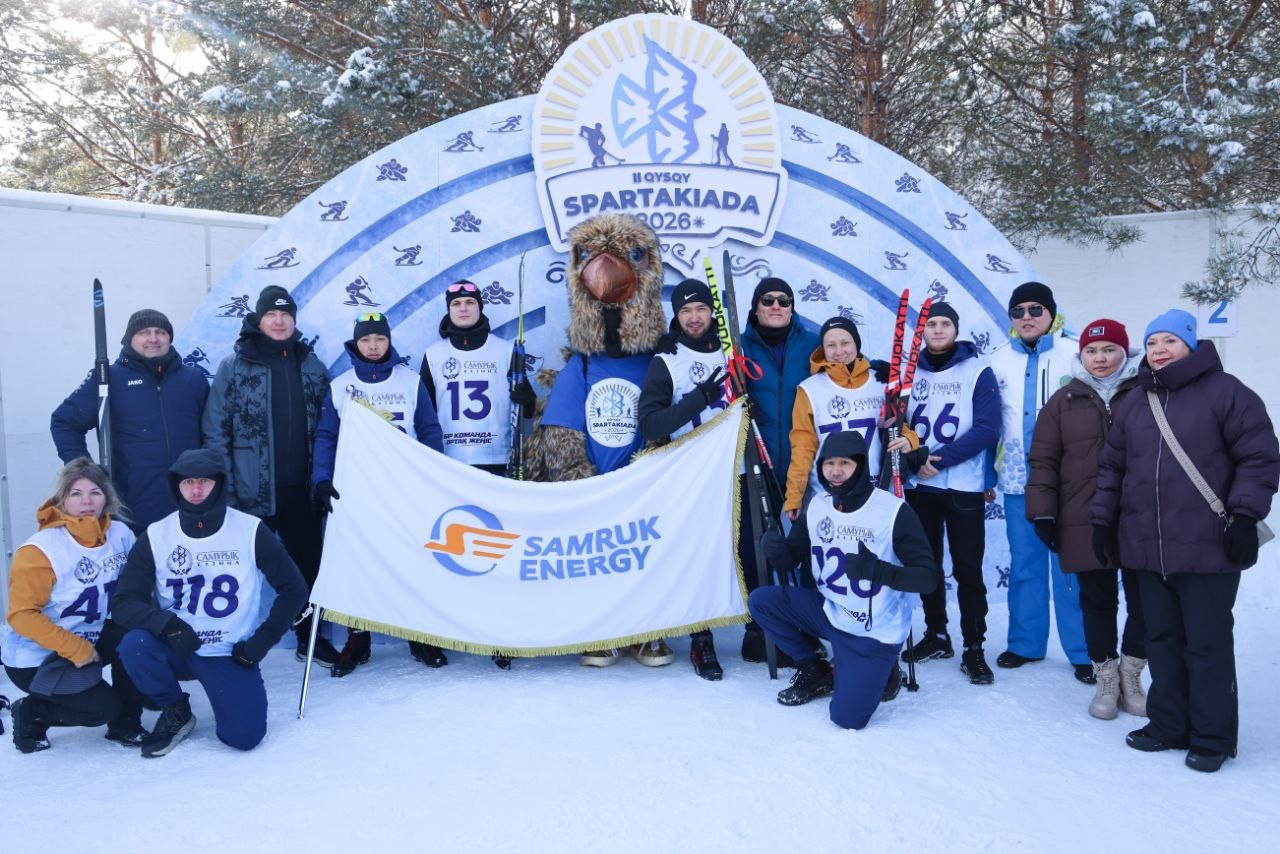
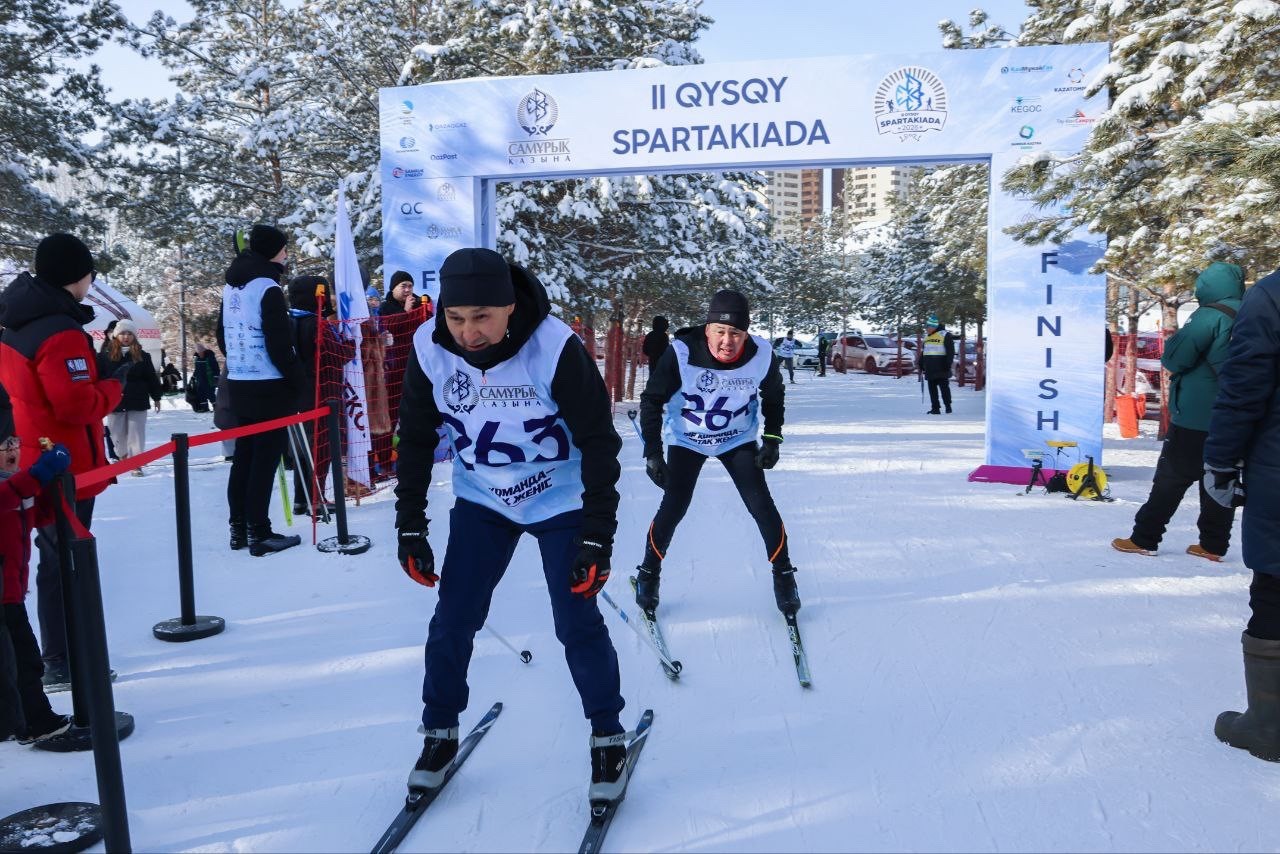
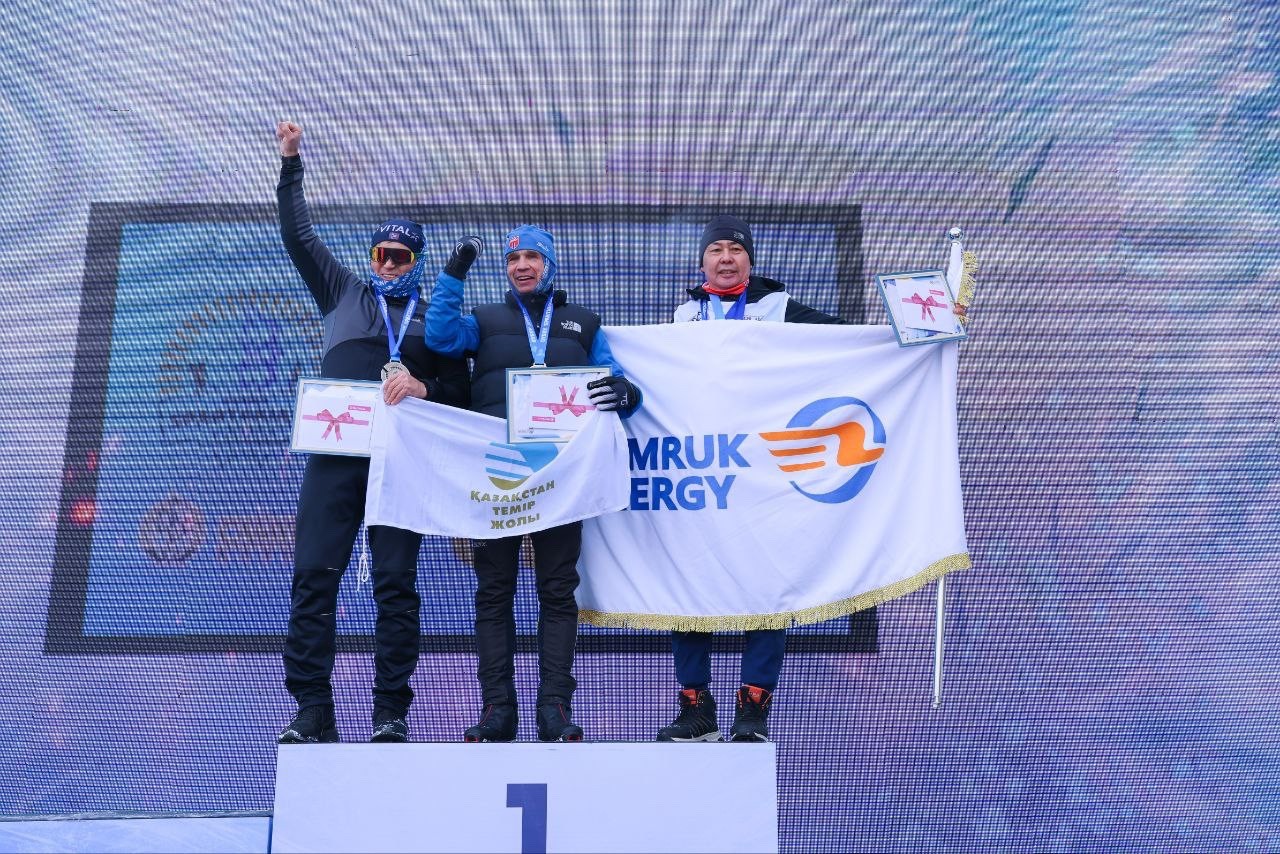
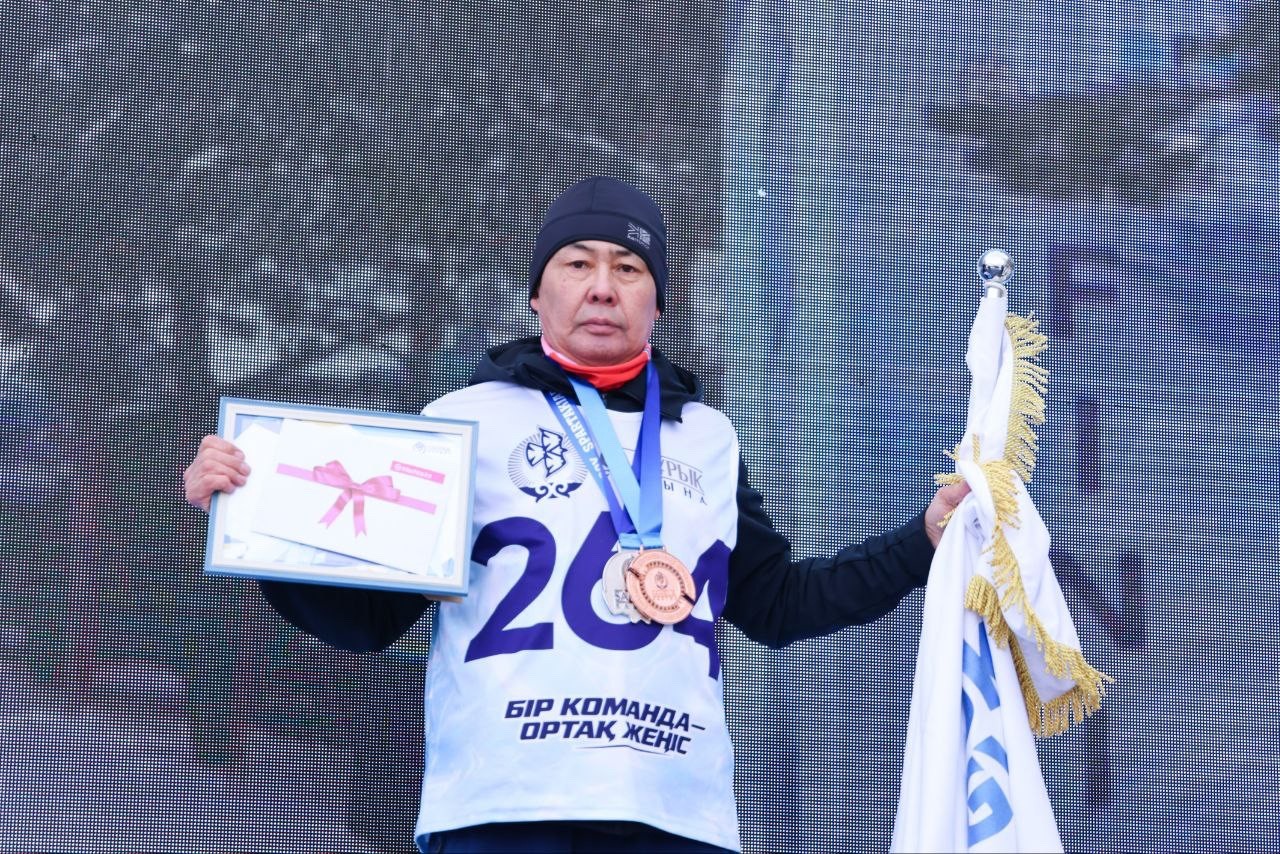
Bakhtiyar Mendybayev, an employee of Bogatyr Komir LLP, secured third place at the Samruk Ski Race held as part of the 2nd Winter Sports Games (spartakiad) for employees of Samruk-Kazyna Group. He finished third in the men’s 2.5 km event in the 51–60 age category.
More than 20 employees from across Samruk-Energy Group took part in the competition.
The event was organized to foster team spirit and promote a healthy lifestyle among employees of the Fund’s group of companies.
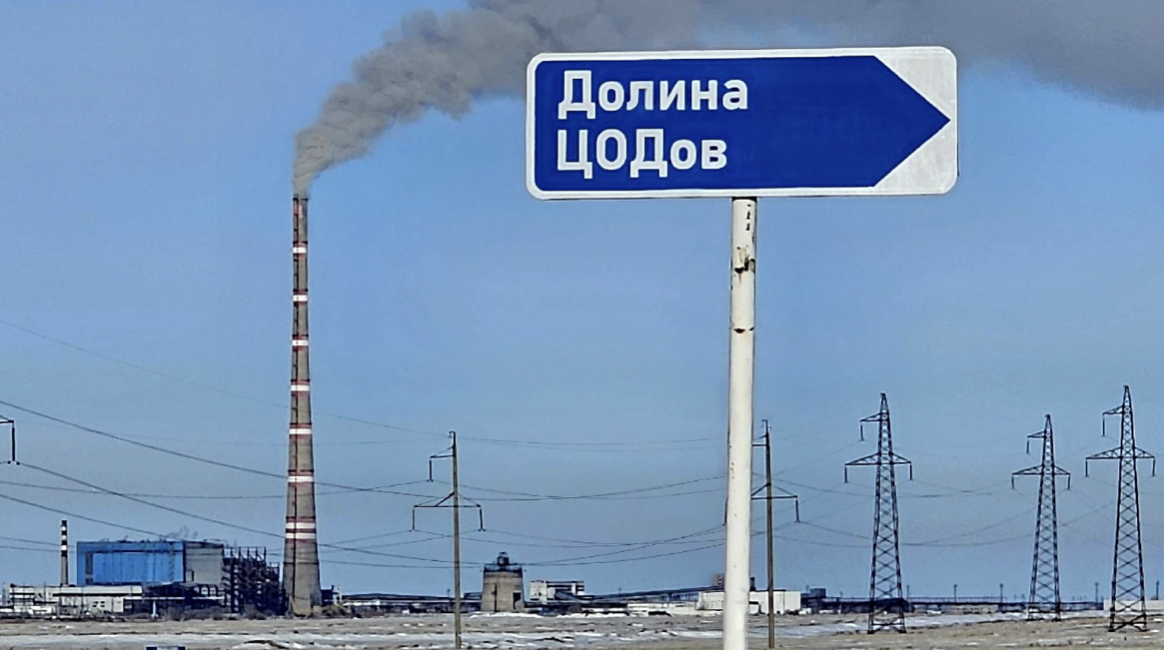
Prime Minister Olzhas Bektenov, during a working trip to the Pavlodar Region, inspected the implementation of the President’s instructions on the Data Center Valley project based on the Ekibastuz energy hub.
To establish a special zone for hosting computing infrastructure, cloud services, and AI capacities, a land plot of 200 hectares has been allocated near Ekibastuz GRES-1, with the possibility of expanding the territory to more than 1,300 hectares in the future.
“By the President’s instruction, we are launching a large-scale infrastructure project—the Data Center Valley. This will provide a strong impetus for the development of the high-tech sector of the economy. All government bodies and responsible organizations must work with maximum dedication and efficiency to deliver results,” Olzhas Bektenov emphasized.
The Prime Minister was presented with the design concept of the Data Center Valley. Progress reports were delivered by Deputy Prime Minister and Minister of Digital Development, Innovation and Aerospace Industry Zhaslan Madiyev, Akim of Pavlodar Region Asain Baikhanov, and Chairman of the Board of Kazakhtelecom Bagdat Mussin.
The Data Center Valley ecosystem will be created on the basis of the power capacities of the Ekibastuz energy hub. The concept предусматривает phased development of the facility with clearly defined parameters for capacity commissioning and the use of existing power infrastructure. The project includes the construction of 15 km of power transmission lines and step-down substation infrastructure with a capacity of 300 MW, expandable to 1 GW in the future. The project provides for the creation of 500 new high-skilled jobs in energy, operation of computing capacities, artificial intelligence, and related fields. Accordingly, emphasis is placed on training highly qualified IT specialists.
Special attention is given to creating favorable conditions for investors, including infrastructure, tariff formation, and tax incentives based on special economic zone principles. The projected investment volume for the project is about $30 billion. Negotiations with major international companies are currently underway.
The Prime Minister noted the strategic importance of the Data Center Valley in the context of Kazakhstan’s digital economy development. The Ministry of Digital Development, Innovation and Aerospace Industry, the Ministry of Energy, the Pavlodar Region akimat, together with Kazakhtelecom, were instructed to ensure all necessary conditions and infrastructure for accelerated project implementation.
“This is the industry of the future. It is important to leverage our competitive advantages. All prerequisites for the project are in place—electricity, climate, and the Trans-Caspian cable. Therefore, submit all decisions that need to be made and move forward without unnecessary bureaucracy. I will personally oversee this project. We must complete this entire path as quickly as possible and proceed to operations, signing contracts and supplying capacities to global companies,” Olzhas Bektenov emphasized.
Prime Minister Olzhas Bektenov, during a working trip to the Pavlodar Region, inspected the implementation of the President’s instructions aimed at strengthening energy security, developing coal-fired generation, and commissioning new capacities to meet the growing needs of the economy and the population. Special attention was paid to the reliability of life-support facilities and the introduction of digital solutions in the energy and coal-mining sectors.
As part of the trip, Olzhas Bektenov familiarized himself with the development of the region’s energy infrastructure. Pavlodar Region is a flagship in electricity production and development. In 2025, the region generated 42% of the national electricity output. Using the example of a number of energy facilities in Ekibastuz—specifically Ekibastuz GRES-1, Ekibastuz GRES-2, and the coal mine of Bogatyr Komir—current performance indicators and prospects for further development of the energy complex were reviewed.
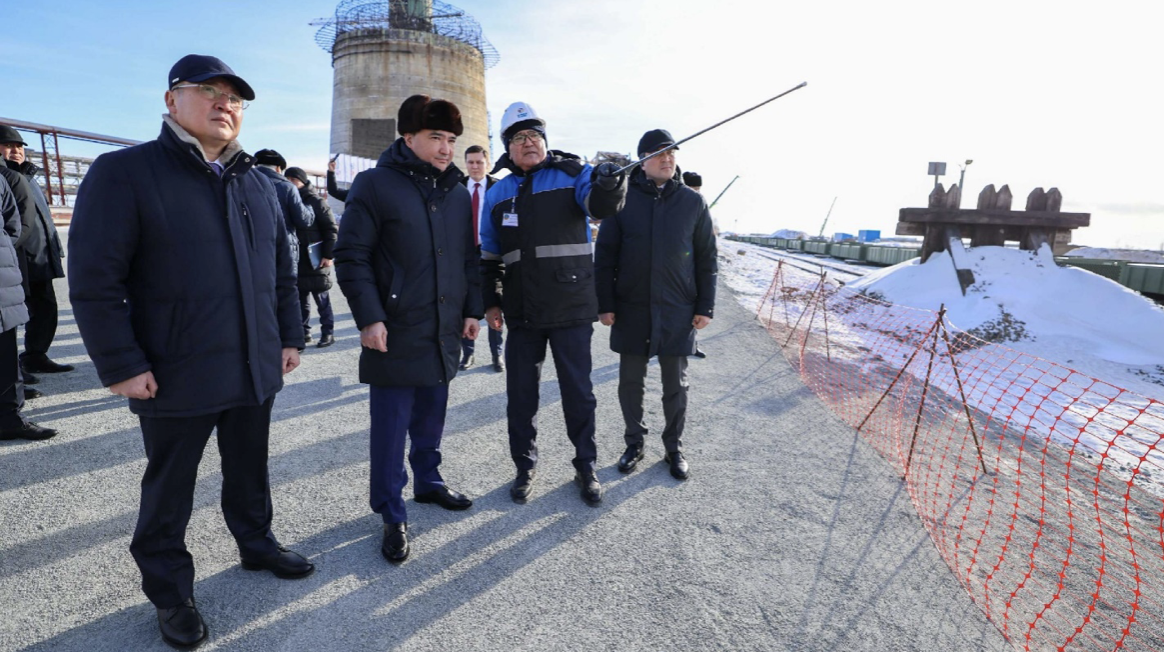
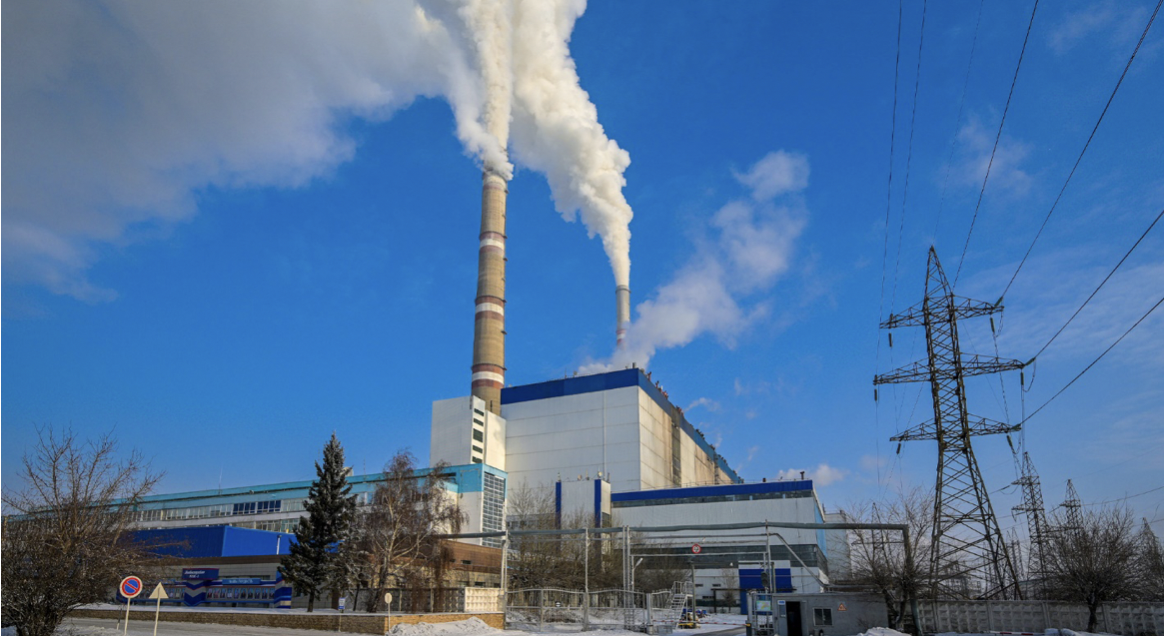
At the site of the country’s largest solid-fuel power plant, Ekibastuz GRES-1 named after Bolat Nurzhanov, the Prime Minister was briefed on the progress of modernization. The ongoing reconstruction of the fuel supply system and the construction of a new smokestack with subsequent dismantling of the old one are among the key elements for improving the reliability of energy supply in the region.
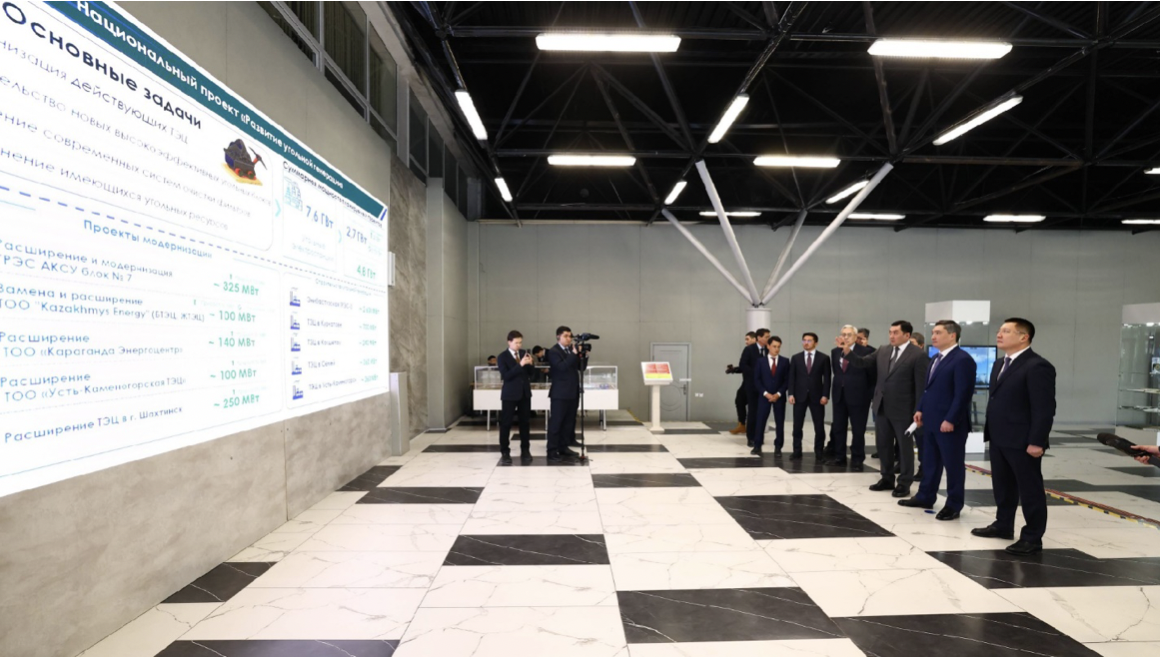
Projects for the development of generation and grid infrastructure in the region were also presented, including the reconstruction of power unit No. 7 at Aksu GRES with a capacity of 325 MW, the modernization of individual energy sources, as well as the elaboration of new projects based on modern technologies and the development of alternative energy.
According to Energy Minister Erlan Akkenzhenov, Kazakhstan plans to commission about 2.6 GW of new capacity this year, including gas projects totaling 2,427.6 MW and renewable energy projects totaling 245.8 MW. In total, 13 projects will be implemented, including the Tekeli energy complex, the Atyrau CHP plant, combined-cycle gas turbine units in Turkestan Region and the city of Almaty, among others.
Akim of Pavlodar Region Asain Baikhanov reported on the progress of the 2025–2026 heating season. At energy facilities, repairs were carried out on 46 units of major equipment, and 37.1 km of heating networks were modernized, which made it possible to ensure the normal operation of heat supply systems and reduce the level of wear by 1.5%.
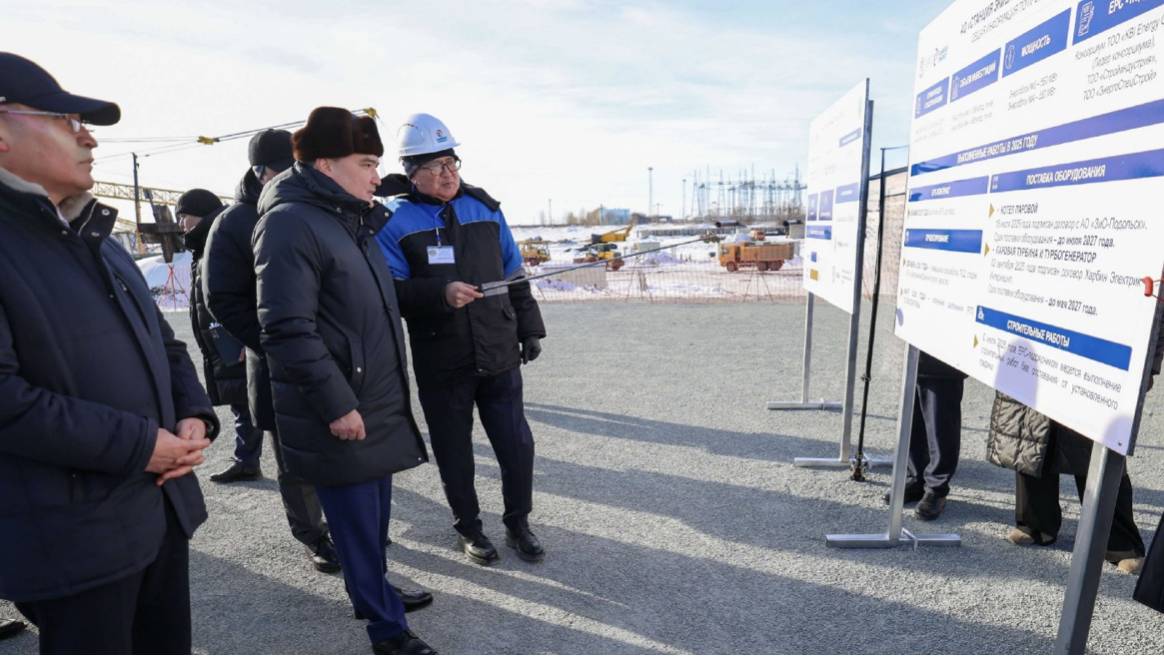
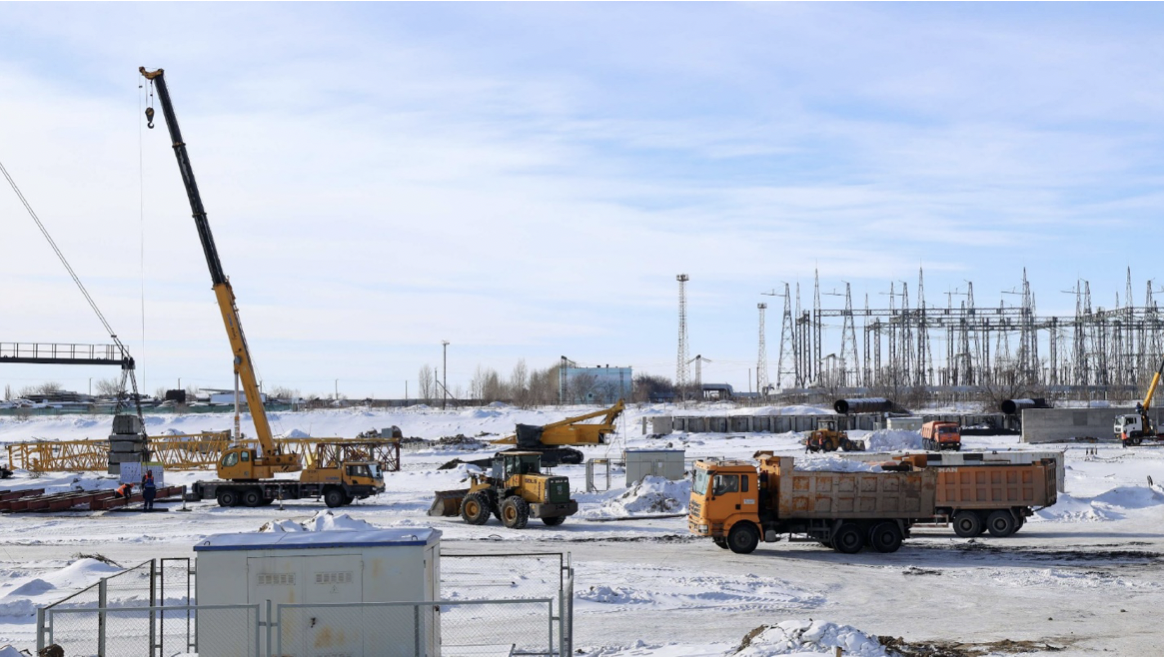
At the construction site of Ekibastuz GRES-2, the Prime Minister reviewed the progress of the station’s expansion and reconstruction project. At present, the installed capacity is 1 GW. The construction of power units No. 3 and No. 4 will increase the station’s electric capacity to 2.1 GW. Chairman of the Management Board of Samruk-Energy, Kairat Maksutov, reported that commissioning is scheduled for September 2028 (power unit No. 3) and September 2030 (power unit No. 4), respectively. The total investment volume for the expansion project exceeds 1.2 trillion tenge.
Regarding the GRES-3 construction project, it was noted that the creation of new coal-fired generation with a total capacity of 2.64 GW is planned, based on “clean coal” technology with phased commissioning of capacities.
“At the National Kurultai, the Head of State emphasized that issues of energy self-sufficiency must be considered an important part of state policy. The launch of additional power units at GRES-2 and the start of construction of GRES-3 are a signal for the entire economy. We are gradually moving toward eliminating the energy deficit and providing the necessary power capacities for both our businesses and investors,” Olzhas Bektenov noted.
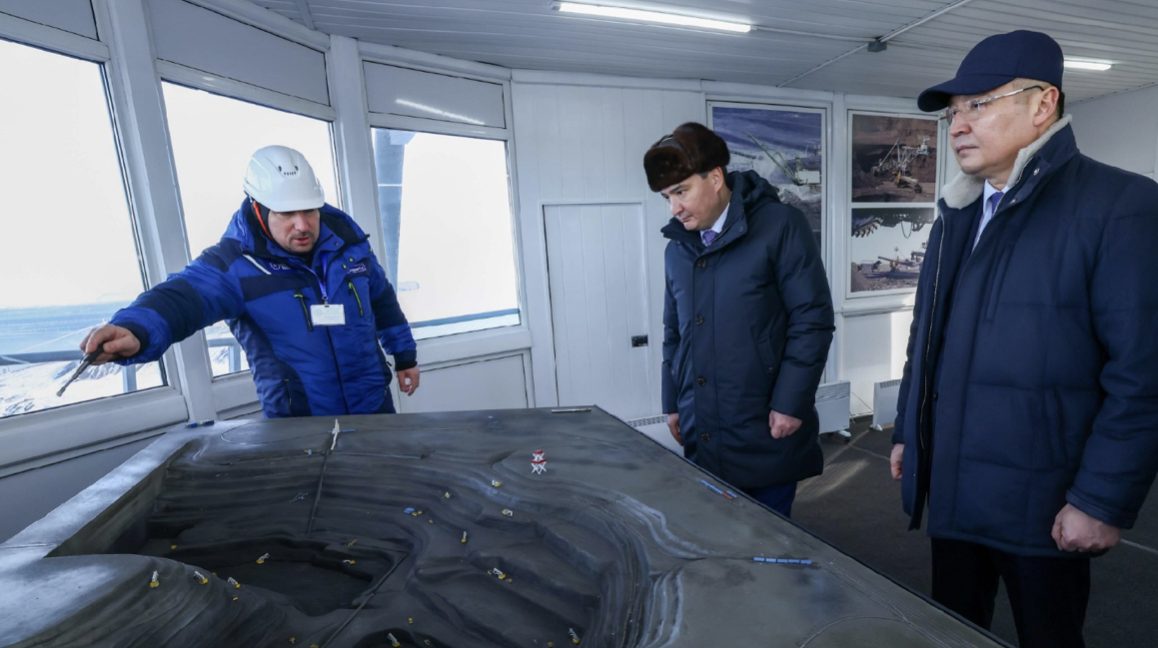
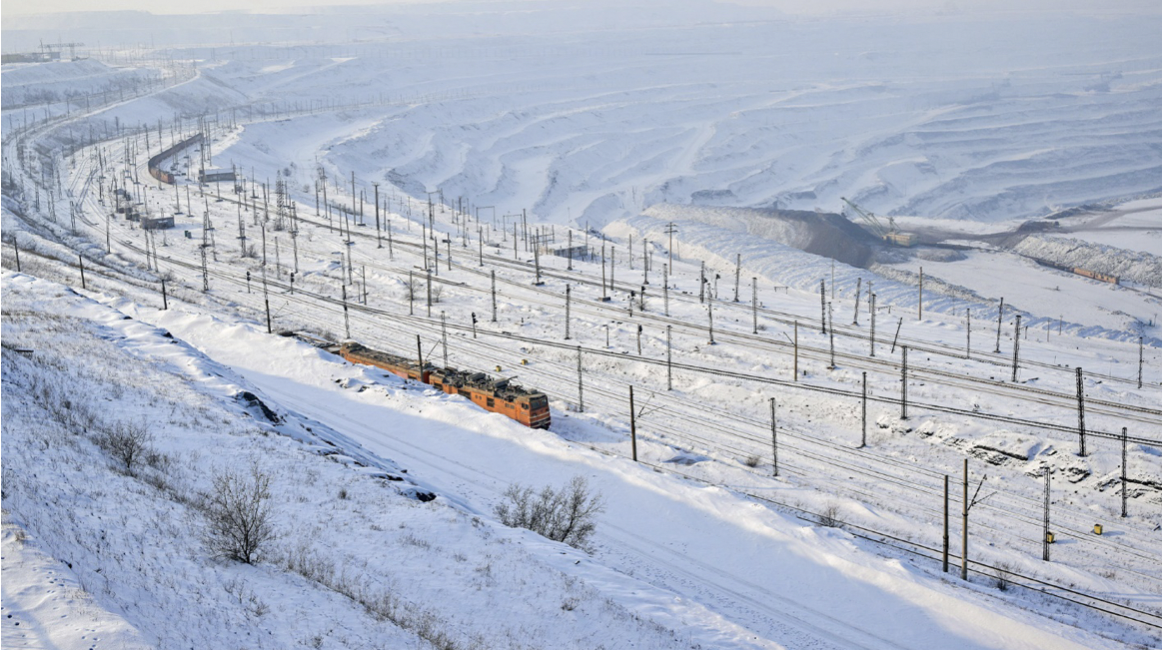
The Prime Minister also familiarized himself with the process of open-pit coal mining at the Bogatyr Komir mine—one of the largest open pits in the world, with an area of more than 43 km² and a depth exceeding 300 meters. The enterprise operates two open pits—“Bogatyr” and “Severny.” At present, the implementation of the stage of automation of production processes is almost complete. The next stage of development in this direction is the application of artificial intelligence capabilities. Within this framework, two AI-enabled projects are planned: “Freight Flow Optimizer” and “Mining Operations Planning.”
Today, Bogatyr Komir is one of the leading coal-mining assets in the country, accounting for 38% of Kazakhstan’s total coal production. Reserves are estimated at more than 2.3 billion tons, ensuring long-term supply stability. Chief Executive Officer Evgeny Masternak informed about plans to increase production volumes. Currently, the total production capacity of the Bogatyr and Severny open pits is 42 million tons of coal per year. The target for 2026 is 45.2 million tons, and by 2032 it is planned to reach 56.5 million tons. It was noted that over the next seven years, approximately 360 billion tenge will be invested in new construction, equipment procurement, reconstruction, modernization, and repairs.
The Prime Minister was also informed about digital solutions already implemented at the enterprise, including the Blast Maker software and hardware complex for designing drilling and blasting operations, automated dispatch control systems, electricity metering systems, and driver vigilance monitoring systems for mining dump trucks.
A number of innovations are also planned for implementation in the period 2026–2030:
the freight flow optimization module will contribute to prompt coal shipment and reduce idle time of railcars and equipment;
the locomotive driver vigilance monitoring system is aimed at increasing safety and reducing the risk of incidents caused by the human factor;
the “Autonomous Loading” solution will ensure remote control of the blending and loading machine;
the MES system for auxiliary equipment will make it possible to see equipment operation and plan fulfillment in real time, simplifying production control and management.
In accordance with the President’s instructions on using the country’s coal potential as a strategic resource, the Prime Minister emphasized the importance of introducing modern technologies and enhancing industrial safety. The Head of State also set the task of granting the development of coal-fired generation the status of a national project. According to the Ministry of Energy, work in this direction is already underway. The project will include about 7.6 GW of coal-fired generation, with priority given to modern solutions based on “clean coal” technology and compliance with environmental legislation. To cover growing consumption, about 2.6 GW of capacity is planned to be commissioned in 2026, and about 1 GW in 2027. Thus, by the end of the first quarter of next year, full coverage of the economy’s electricity needs is expected, and by the end of the year, a surplus of about 1.3 billion kWh will be ensured.
Following the visit to the energy facilities in Ekibastuz, the Prime Minister instructed that the modernization of Ekibastuz GRES-1 be completed within the established сроки, the construction and timely commissioning of power units No. 3 and No. 4 at Ekibastuz GRES-2 be ensured, and assistance be provided in the implementation of the investment plans of Bogatyr Komir.
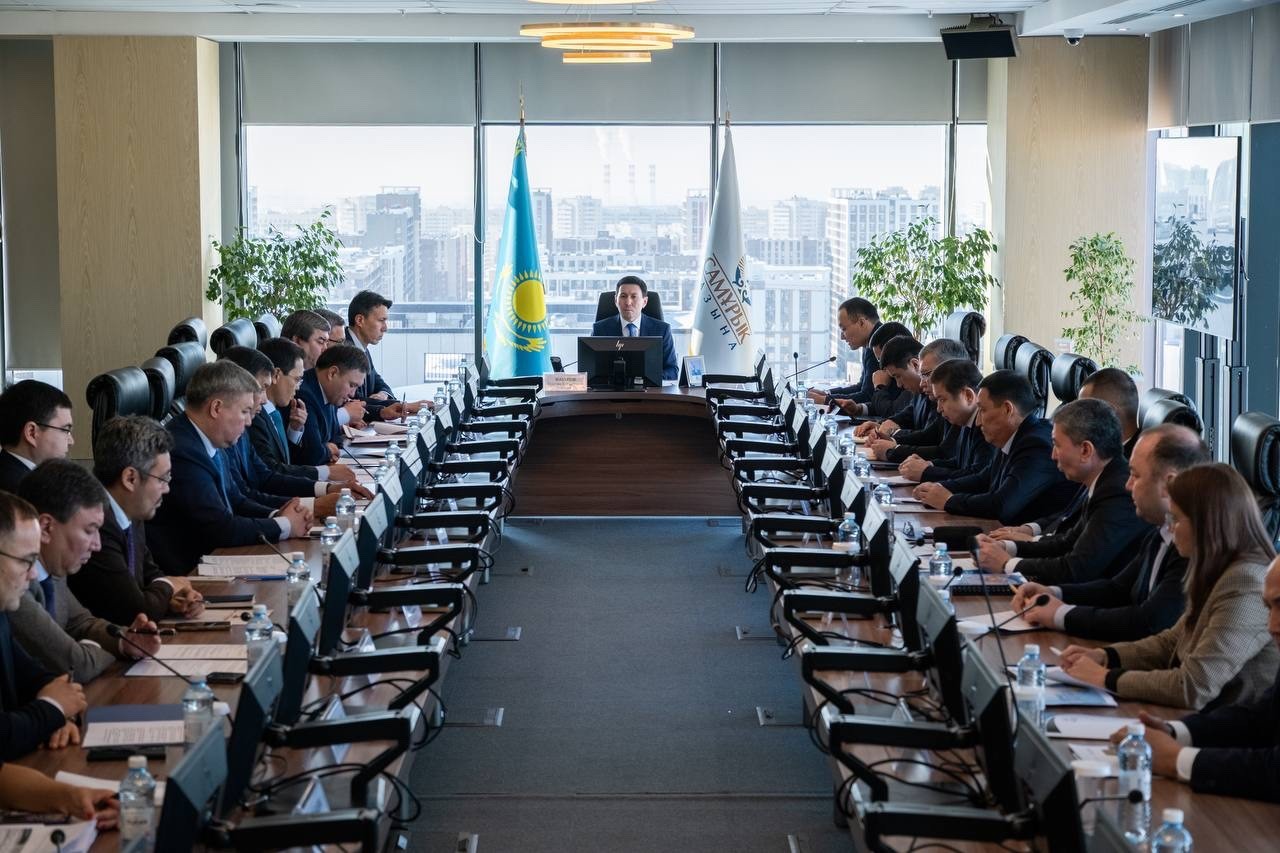
Kairat Maxutov, Chairman of the Management Board of Samruk-Energy JSC, held a meeting to review the Company’s performance in the field of occupational health and safety for 2025.
According to the year-end results, the number of work-related accidents across the Samruk-Energy Group decreased by half compared to 2024. This positive trend reflects the effectiveness of the measures implemented and the Company’s systematic approach to ensuring workplace safety.
A report on implemented initiatives, production control outcomes, and the effectiveness of management decisions was presented by Duisenbek Shardarbakov, Director of the Occupational Health Department. During the reporting period, particular focus was placed on the deployment of advanced technologies, including AI-powered video analytics systems, employee health protection initiatives, professional risk assessment, and the development of digital solutions in the areas of occupational health and industrial safety.
A unified corporate standard for special workwear and personal protective equipment has been approved across the Group. As part of production control activities, workplace inspections and site walkthroughs were conducted, with the majority of identified non-compliances eliminated within the established timeframes.
Following the meeting, priority objectives for 2026 were defined, including achieving zero workplace injuries, further expanding digital safety tools, and strengthening a culture of personal accountability at all management levels.
Kairat Maxutov emphasized that employee safety remains the Company’s top priority, noting that sustainable reductions in injury rates can only be achieved through a systematic approach, strong leadership engagement, and the conscious, responsible behavior of every employee.